Sea Freight Guide:
A Complete Guide
to Ocean Shipping
Sea Freight Guides
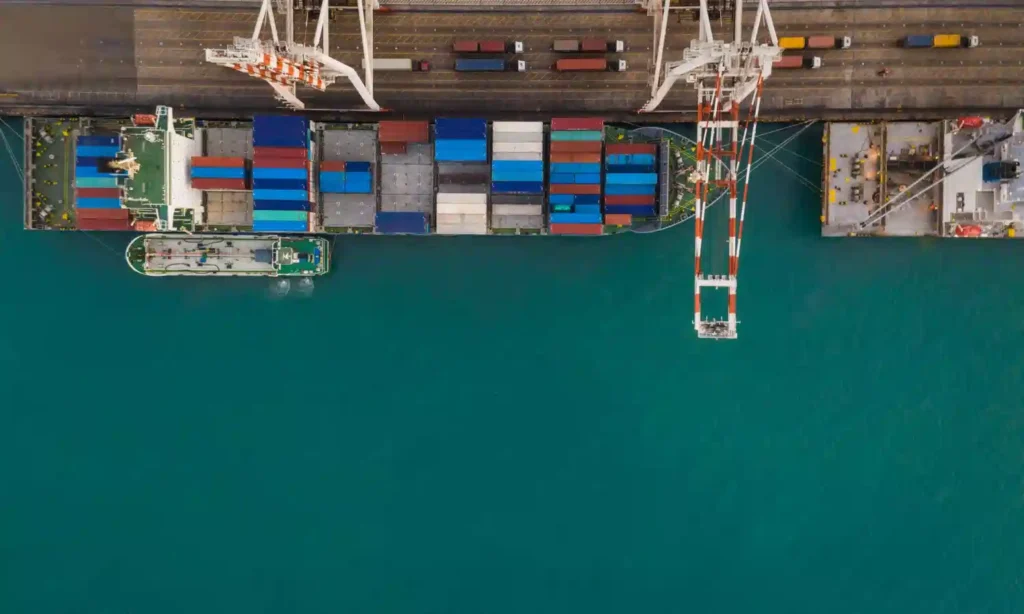
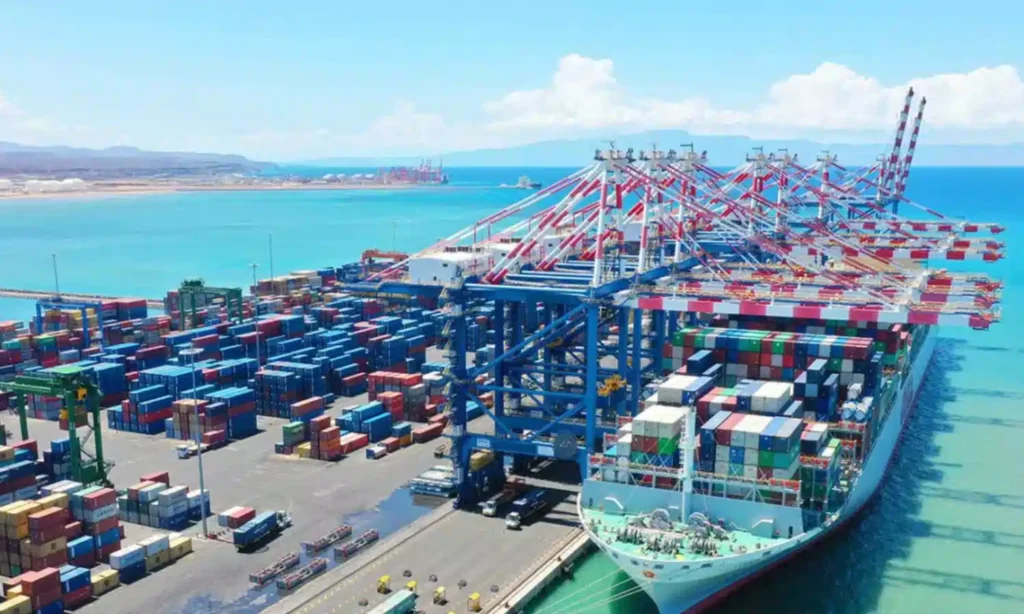
Sea freight is one of the most commonly used methods for transporting goods internationally. It is especially suitable for businesses shipping large volumes, heavy cargo, commercial products, machinery, raw materials, and goods that do not require urgent delivery.
Compared with air freight, ocean shipping is generally more cost-effective for larger shipments. However, sea freight usually requires longer transit times and more careful planning.
This guide explains how sea freight works, the main shipping options, required documents, cost factors, and important considerations for businesses.
What Is Sea Freight?
The transport of goods by ship between ports in different countries or regions is called Sea Freight.
Sea Freight generally involves several parties, including:
- Exporters and suppliers
- Importers and buyers
- Freight Forwarders
- Shipping Lines
- Port Authorities
- Customs Authorities
- Customs Authorities
Because international sea shipping involves multiple stages, proper coordination and documentation are essential for avoiding delays and unexpected costs.
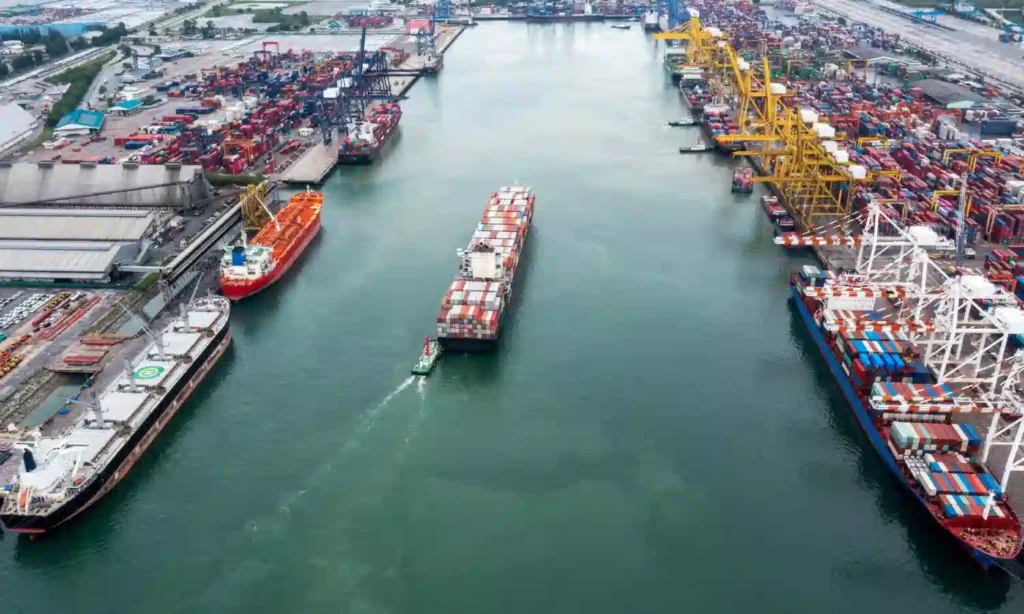
How Does Sea Freight Work?
The sea freight process generally follows several important steps.
01. Cargo Preparation
The exporter prepares the goods for international transportation. This may include packaging, labeling, weighing, measuring, and preparing the necessary commercial documents.
02. Booking the Shipment
The shipper or freight forwarder arranges space with a shipping line based on the cargo type, container requirements, destination, and preferred schedule.
03. Container Loading
The cargo is loaded into a suitable container. Depending on the shipment arrangement, the container may be dedicated to one shipper or shared with cargo from other businesses.
04. Export Customs Clearance
The shipment must complete the required export customs procedures before it can leave the origin country.
05. Port Handling and Ocean Transportation
The container is transported to the port, loaded onto a vessel, and shipped to the destination port.
06. Import Customs Clearance
After arrival, the importer or appointed logistics provider handles the required import customs procedures, duties, taxes, and documentation.
07. Final Delivery
Once the cargo is released, it can be transported from the destination port to the final delivery address.
FCL and LCL Sea Freight
There are two common types of containerized sea freight: Full Container Load FCL) and Less than Container Load (LCL).
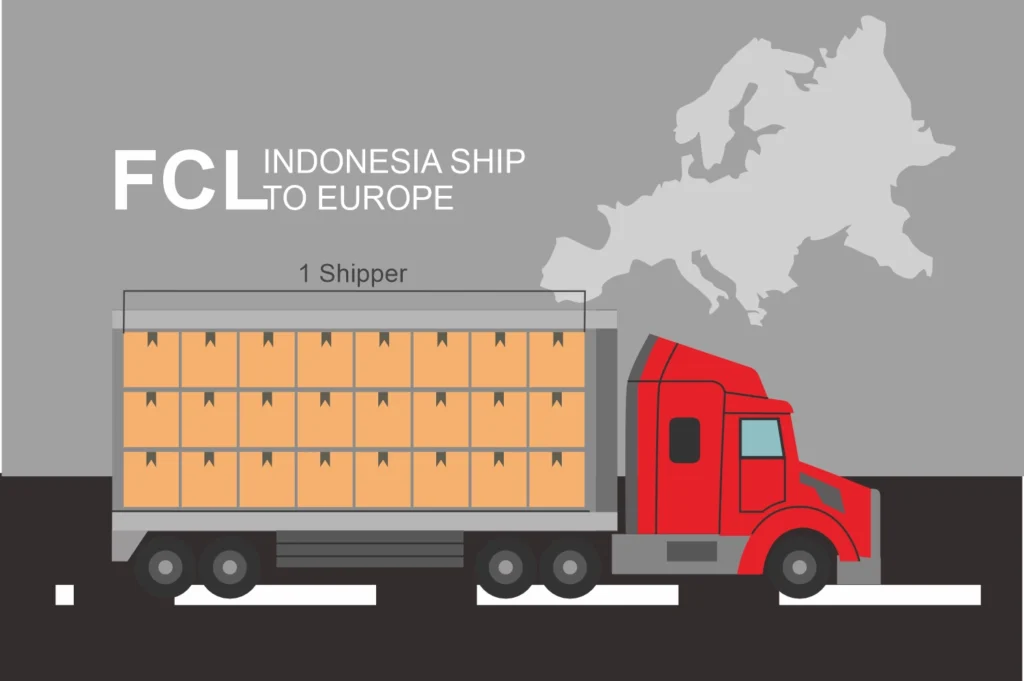
Full Container Load (FCL)
FCL means that one shipper uses an entire container for their cargo.
FCL may be suitable when:
- The shipment requires most or all of a container’s capacity.
- The cargo needs additional security or privacy.
- The shipper wants to reduce cargo handling between different shipments.
- The goods are sensitive, valuable, or packed in a way that requires dedicated container space.
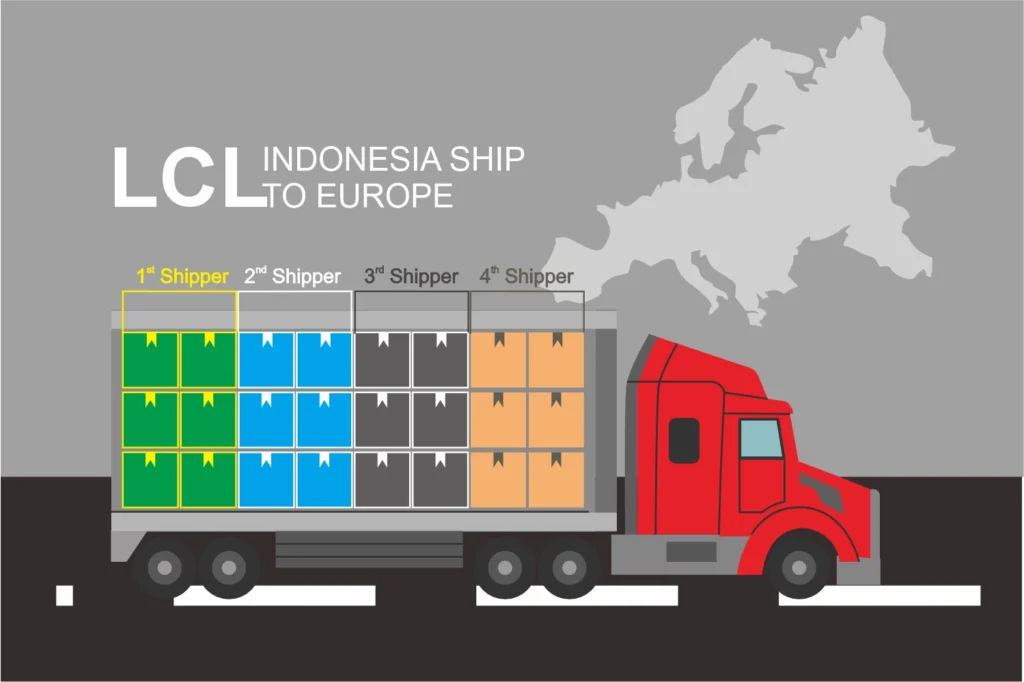
Less than Container Load (LCL)
LCL means that cargo from different shippers is consolidated into one container. LCL may be suitable when:
- The shipment does not fill an entire container.
- The cargo volume is relatively small.
- The shipper wants to avoid paying for a full container.
- The goods can be safely consolidated with other shipments.
The best option depends on cargo volume, cargo characteristics, budget, handling requirements, and delivery schedule.
Common Container Types
Different types of cargo may require different containers.
Dry Container
Dry containers are commonly used for general cargo, packaged products, spare parts, consumer goods, and other non-temperature-sensitive shipments.
High Cube Container
High cube containers provide additional internal height compared with standard containers. They may be useful for lightweight cargo that requires more vertical space.
Reefer Container
Reefer containers are refrigerated containers designed for temperature-sensitive goods such as certain food products, pharmaceuticals, and other controlled-temperature cargo.
Open Top Container
Open top containers may be used for cargo that is too tall or difficult to load through standard container doors.
Flat Rack Container
Flat rack containers are designed for oversized or heavy cargo that may not fit inside a conventional enclosed container.The appropriate container depends on the cargo’s dimensions, weight, packaging, handling method, and transportation requirements.
Common Container Types
The exact documentation depends on the origin country, destination country, cargo type, and trade arrangement. Common documents may include:
- Commercial invoice
- Bill of Lading
- Packing List
- Certificate of Origin, when required
- Export Declaration
- Import Declaration
- Insurance documents, when applicable
- Permits or certificates for regulated goods
Incorrect, incomplete, or inconsistent documents may cause customs delays and additional costs. Businesses should confirm documentation requirements before the shipment is dispatched.
What Affects Sea Freight Costs?
Sea freight costs can vary depending on several factors, including:
Cargo Weight and Volume
The size and weight of the shipment influence container selection, handling, and transportation charges.
Origin and Destination
The distance between ports, available routes, port congestion, and destination requirements can affect the total cost.
FCL or LCL Arrangement
FCL and LCL shipments are calculated differently. LCL charges may depend on cargo volume, weight, and consolidation requirements.
Container Type
Special containers, such as reefer, open top, and flat rack containers, may involve additional equipment and handling charges.
Port and Handling Charges
Terminal handling, documentation, storage, and other port-related charges may be included in or added to the freight quotation.
Custom Duties and Taxes
Import duties, taxes, inspection charges, and other government-related costs may apply depending on the goods and destination country.
Inland Transportation
The total logistics cost may also include transportation between the supplier, warehouse, port, and final delivery location.
How Long Does Sea Freight Take?
Sea freight transit time depends on the route, vessel schedule, port operations, transshipment requirements, customs procedures, and final delivery location.
The overall shipping timeline may include:
- Cargo Preparation
- Booking confirmation
- Inland transportation to the origin port
- Export Customs Clarance
- Port Handling
- Ocean transit
- Destination port handling
- Import custom Clearance
- Final Delivery
For this reason, businesses should plan beyond the vessel’s sailing time and allow additional time for documentation, customs, port operations, and inland delivery.
Advantages of Sea Freight
Sea freight offers several advantages for international businesses:
- Cost-effective for large shipments
- Suitable for heavy and oversized cargo
- Flexible container options
- Suitable for regular commercial shipments
- Supports global trade between major ports
- Can be used for both FCL and LCL cargo
Considerations Before Choosing Sea Freight
Before arranging a sea freight shipment, businesses should review:
- The type, size, weight, and value of the cargo.
- The required delivery timeline.
- Whether FCL or LCL is more suitable.
- The origin and destination ports.
- Required export and import documents.
- Customs requirements and possible duties or taxes.
- Packaging and cargo protection requirements
- Inland transportation arrangements.
- The complete estimated logistics cost.
Considerations Before Choosing Sea Freight
Nagoya Trans Logistik supports businesses with international logistics requirements through coordinated freight forwarding and transportation solutions.
Our sea freight services may include shipment planning, FCL and LCL arrangements, documentation support, customs coordination, cargo handling, and inland transportation assistance, depending on the shipment requirements.
To learn more, explore our Sea Freight, Customs Clearance, and Inland Transport services. If you are planning an international shipment, contact Nagoya Trans Logistik to discuss your cargo, route, and delivery requirements.