
Air Freight Guide: A Complete Guide to Air Cargo Shipping
Air Freight Guides
Air freight is an international transportation method used to move goods by aircraft between airports. It is commonly chosen when delivery speed is an important consideration, particularly for time-sensitive, high-value, lightweight, or urgent shipments.
Although air freight generally costs more than sea freight, it can significantly reduce transportation time and provide businesses with faster access to international markets.
This guide explains how air freight works, the types of air cargo services available, required documents, cost factors, transit times, and important considerations before shipping goods by air.
What Is Air Freight?
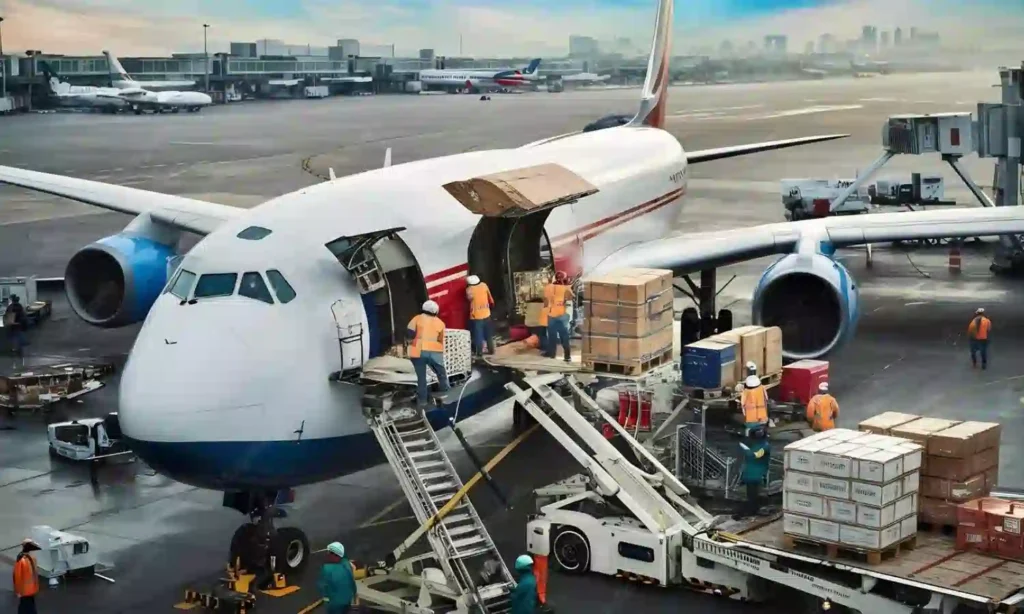
Air freight is the transportation of commercial cargo by aircraft from one airport to another.
An air freight shipment can involve several parties, including:
- Exporters and suppliers
- Importers and buyers
- Freight Forwarders
- Airlines
- Airport cargo terminals
- Customs Authorities
- Inland transportation providers
Because air cargo moves through multiple stages, proper documentation and coordination are essential for maintaining an efficient shipping process.
How Does Air Freight Work?
The air freight process generally consists of several stages.
01. Cargo Preparation
The shipper prepares the goods for transportation, including packaging, labeling, weighing, measuring, and preparing the required commercial documents.
02. Air Freight Booking
The shipper or freight forwarder arranges cargo space with an airline based on the shipment's origin, destination, weight, dimensions, cargo type, and required delivery schedule.
03. Cargo Pickup and Transportation
Depending on the service arrangement, the cargo may be collected from the supplier's warehouse and transported to the airport cargo terminal.
04. Export Customs Clearance
The shipment must complete the required export customs procedures before it can be loaded for international transportation.
5. Airport Handling and Air Transportation
The cargo is processed at the origin airport, loaded onto an aircraft, and transported to the destination airport. Some shipments may require a connecting flight or transit airport.
06. Import Customs Clearance
After arriving at the destination airport, the cargo undergoes the required import customs procedures before it can be released.
07. Final Delivery
Once customs clearance and cargo release are completed, the shipment can be transported to the final destination.
When Should You Choose Air Freight?
Air freight can be suitable for businesses that need relatively fast transportation or have cargo with specific logistical requirements.
It may be considered when:
- The shipment is time-sensitive.
- The goods have a high value relative to their weight.
- Inventory needs to be replenished quickly.
- The shipment is relatively small or lightweight.
- A business needs to meet a tight delivery schedule.
- The cargo has a short product lifecycle.
- Faster international transportation provides a business advantage.
However, the suitability of air freight depends on the cargo, destination, budget, and required delivery timeline.

Air Freight vs Sea Freight
Air freight and sea freight serve different logistics requirements.
Air freight generally offers faster transportation but at a higher cost.
Sea freight generally provides a more economical option for larger and heavier shipments but normally requires a longer transportation time.
Businesses should consider:
- Cargo weight and dimensions
- Required delivery time
- Shipping budget
- Cargo Value
- Origin and destination
- Availability of transportation routes
- Custom Requirements
The right choice depends on the specific requirements of each shipment rather than simply choosing the fastest or cheapest transportation method.
Common Types of Air Freight Services
Air cargo can be arranged through different service models depending on the shipment requirements.
Airport-to-Airport
Cargo is transported between the origin airport and destination airport. The shipper or consignee is responsible for transportation before or after the airport.
Airport-to-Door
The cargo is transported from the origin airport to the final delivery address at the destination.
Door-to-Door
The logistics provider coordinates transportation from the supplier's location through to the final destination, including the necessary transportation and customs processes.The available service depends on the origin, destination, cargo type, and logistics provider.
Air Freight Documents
International air cargo shipments generally require several documents. Requirements can vary depending on the origin, destination, commodity, and applicable regulations.
Common documents may include:
- Commercial invoice
- Packing List
- Air Waybill (AWB)
- Certificate of Origin, when required
- Export declaration
- Import declaration
- Insurance documents, when applicable
- Permits or certificates for regulated goods
Businesses should ensure that shipment information is accurate and consistent across the relevant documents.

What Affects Air Freight Costs?
Air freight pricing can depend on several factors.
Chargeable Weight
Air freight charges may be calculated using actual weight or volumetric weight, depending on which produces the applicable chargeable weight.
Cargo that occupies significant space relative to its actual weight may therefore have a higher chargeable weight.
Cargo Dimension
The length, width, and height of the shipment can affect the volumetric calculation and aircraft cargo capacity.
Origin & Destination
Route availability, airport location, airline schedules, transit points, and destination requirements can influence transportation costs.
Special Cargo
Special cargo may require additional handling, documentation, packaging, or regulatory procedures.
Fuel and Other Surcharges
Air freight quotations may include additional charges such as fuel-related or security-related surcharges depending on the carrier and route.
Customs and Local Charges
Route availability, airport location, airline schedules, transit points, and destination requirements can influence transportation costs.
Inland Transportation
If the shipment requires pickup or final delivery by road, inland transportation charges may form part of the overall shipping cost.
How Long Does Air Freight Take?
Air freight is generally faster than sea freight, but the total delivery time depends on more than the flight itself.
The overall timeline may include:
- Cargo preparation
- Booking confirmation
- Pickup
- Export customs clearance
- Origin airport handling
- Flight Time
- Transit or connecting flights
- Destination airport handling
- Import customs clearance
- Final Delivery
Therefore, businesses should consider the complete logistics process when estimating delivery time.
Advantages of Air Freight
Air freight can provide several benefits for international businesses:
- Faster transportation compared with ocean shipping
- Suitable for time-sensitive cargo
- Useful for high-value products
- Frequent scheduled flights on many international routes
- Reduced inventory transit time
- Suitable for relatively small and lightweight shipments
Considerations Before Shipping by Air
Before arranging an air freight shipment, businesses should evaluate:
- Cargo weight and dimensions.
- Required delivery timeline.
- Chargeable weight.
- Cargo value and insurance requirements.
- Destination airport and available routes.
- Required export and import documentation.
- Customs requirements.
- Packaging and handling requirements.
- Possible airport and destination charges.
- The total logistics cost.
Considerations Before Shipping by Air
Nagoya Trans Logistik supports businesses with international air cargo requirements through coordinated freight forwarding and logistics solutions.
Depending on the shipment requirements, air freight arrangements can include cargo booking, documentation support, customs coordination, airport handling, cargo pickup, and final delivery.
Businesses can also explore our Air Freight, Customs Clearance, and Inland Transport services for more information about international logistics solutions.
For shipment planning and logistics requirements, contact Nagoya Trans Logistik to discuss your cargo, route, and delivery needs.