
Worldwide Logistics Solution

How to Choose the Right Freight Forwarder for International Shipping
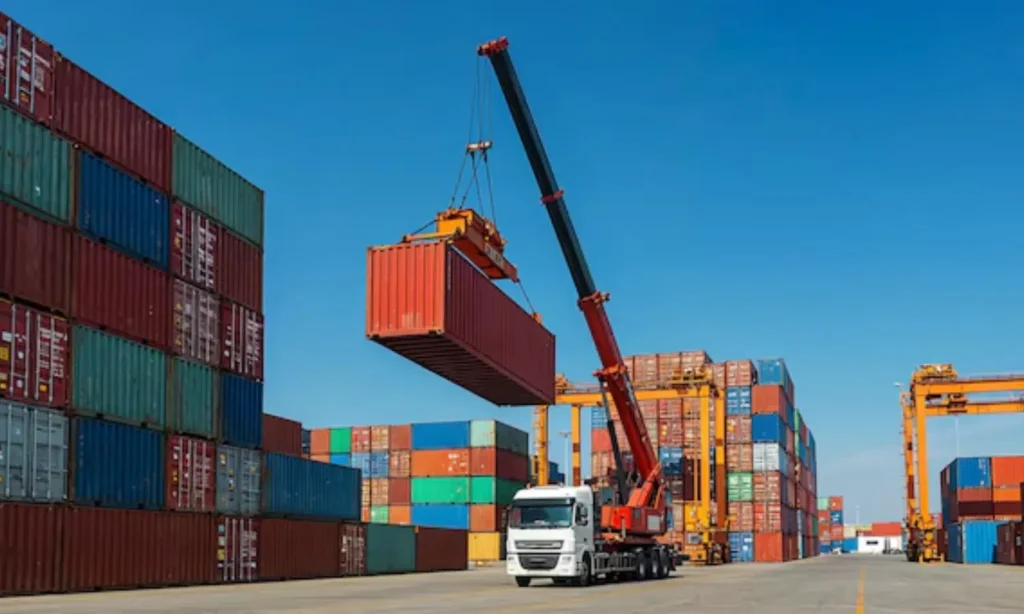
Choosing the right freight forwarder is one of the most important decisions in international shipping. A reliable logistics partner can ensure smooth cargo movement, while the wrong choice can lead to delays, unexpected costs, and operational issues. Whether you are exporting for the first time or managing regular shipments, understanding how to select the right freight forwarder will help you avoid common mistakes and improve your overall supply chain efficiency. What Is a Freight Forwarder? A freight forwarder is a company that manages the transportation of goods from one country to another. They handle logistics coordination, documentation, customs clearance, and shipping arrangements via sea freight or air freight. In simple terms, a freight forwarder acts as your logistics partner to ensure your cargo reaches its destination safely and efficiently. Key Factors to Consider When Choosing a Freight Forwarder 1. Experience and Expertise Choose a freight forwarder with proven experience in international shipping. An experienced company understands shipping routes, customs regulations, and how to handle potential issues. Look for: Years of experience Industry specialization Track record with similar shipments 2. Global Network and Coverage A strong global network is essential for smooth logistics operations. Make sure the freight forwarder has: International partners or agents Coverage in your target destination countries Access to major ports and airports 3. Range of Services A good freight forwarder should offer comprehensive services, including: Sea freight (FCL & LCL) Air freight Customs clearance Door-to-door delivery Inland transportation Working with a full-service provider simplifies your logistics process. 4. Transparency in Pricing Shipping costs can vary depending on many factors. A reliable freight forwarder should provide: Clear and detailed quotations No hidden fees Transparent cost breakdown This helps you plan your budget and avoid unexpected expenses. 5. Communication and Support Good communication is critical in international shipping. Choose a freight forwarder that: Responds quickly Provides regular updates Offers shipment tracking Is easy to contact Strong communication reduces uncertainty and improves coordination. 6. Customs Knowledge and Documentation Support Customs clearance is one of the most complex parts of international shipping. Your freight forwarder should: Understand import/export regulations Assist with documentation Help prevent customs delays Accurate paperwork is essential for smooth delivery. Read Also : How long Does International Shipping Take from Indonesia ? Common Mistakes to Avoid When choosing a freight forwarder, avoid these mistakes: Choosing based on price only Ignoring experience and reputation Not checking service coverage Overlooking customer support quality Failing to confirm included services A cheap option may lead to higher costs in the long run. Why Choosing the Right Freight Forwarder Matters The right freight forwarder can: Reduce shipping delays Optimize transit time Improve cost efficiency Ensure compliance with regulations Enhance customer satisfaction Your logistics partner plays a key role in your business success. Conclusion Choosing Freight Forwarder Choosing the right freight forwarder for international shipping requires careful evaluation of experience, services, pricing, and communication. By working with a reliable logistics partner, businesses can ensure smooth, efficient, and cost-effective shipping operations. Nagoya Logistik provides professional freight forwarding services with reliable global coverage and end-to-end logistics support.

Sea Freight vs Air Freight: Which Is Better for Your International Shipment?

Choosing the right international shipping method is a critical decision for any business involved in global trade. The choice between sea freight and air freight directly affects shipping costs, delivery timelines, and overall supply chain efficiency. Each method offers distinct advantages depending on cargo type, urgency, and budget. Understanding these differences helps businesses minimize risk and optimize logistics operations. What Is Sea Freight? Sea freight refers to transporting goods via cargo ships across international waters. It is the most widely used shipping method for global trade due to its cost efficiency and capacity. Shipments are typically moved using containers, either as Full Container Load (FCL) or Less than Container Load (LCL), depending on shipment volume. Sea freight is ideal for heavy, oversized, or high-volume cargo. While transit times are longer compared to air freight, sea shipping provides a stable and economical solution for businesses that plan shipments in advance and prioritize cost control over speed. Common goods shipped by sea include industrial machinery, automotive parts, raw materials, furniture, and consumer products. What Is Air Freight? Air freight involves transporting cargo via commercial or cargo aircraft. The primary advantage of air freight is speed. Shipments can reach international destinations within days rather than weeks, making it the preferred option for time-sensitive deliveries. Due to higher operational costs, air freight is significantly more expensive than sea freight. Pricing is based on chargeable weight, which considers both actual weight and volumetric weight. Cargo size and weight limitations also apply.Air freight is commonly used for high-value goods, perishable items, electronics, pharmaceuticals, and urgent shipments where delivery time is critical. Cost Comparison: Sea Freight vs Air Freight From a cost perspective, sea freight is the more economical option, especially for large and heavy shipments. The cost per unit decreases as shipment volume increases, making it suitable for bulk cargo and long-term logistics planning. Air freight, on the other hand, comes with higher shipping rates due to fuel costs, security handling, and limited cargo space. While expensive, it can be justified when faster delivery reduces inventory holding costs or prevents business disruption. Speed and Transit Time Air freight clearly outperforms sea freight in terms of speed. International air shipments typically take between one to five days, depending on destination and customs clearance. Sea freight transit times can range from several weeks to over a month, depending on shipping routes, port congestion, and weather conditions. Businesses using sea freight must account for longer lead times and potential delays. Reliability and Risk Factors Air freight offers higher schedule reliability due to frequent flights and fewer handling stages. However, delays may still occur due to weather conditions or airport congestion. Sea freight faces more variables, including port congestion, vessel scheduling changes, and customs inspections. For both shipping methods, proper documentation and cargo insurance are essential to mitigate risk and protect shipment value. Environmental Impact Considerations Sea freight is generally more environmentally friendly than air freight when measured by carbon emissions per unit of cargo. For businesses focused on sustainability, sea freight is often the preferred option.Air freight generates a significantly higher carbon footprint. While it supports fast delivery, it may not align with corporate sustainability goals unless absolutely necessary. Read Also : How to shipping to Europe Which Shipping Method Should You Choose? Sea freight is the best choice when shipping large volumes, heavy cargo, or non-urgent goods while maintaining cost efficiency. It is suitable for businesses with flexible delivery schedules and predictable supply chains. Air freight is the better option for urgent shipments, high-value goods, and time-sensitive cargo where speed and reliability outweigh cost considerations. The right choice depends entirely on business priorities, shipment characteristics, and market demands. Conclusion Sea Freight VS Air Freight Which is Better ? Selecting between sea freight and air freight is more than a logistical decision—it is a strategic business choice. Each method offers advantages that can directly impact operational efficiency, customer satisfaction, and profitability. Working with an experienced logistics provider helps businesses evaluate shipping options, manage risks, and ensure smooth international deliveries. Proper planning and professional support remain key factors in successful global logistics operations.