
Shipping from Indonesia to Germany: Cost, Transit Time, and Freight Options
Shipping From Indonesia to Germany
Germany is the largest economy in Europe and one of the most important industrial and logistics centers in the world, along with Italy, the Netherlands, the United Kingdom, and Spain. With high demand for machinery, automotive parts, electronics, furniture, and industrial goods, Germany is a major export destination for Indonesian companies.
Shipping goods from Indonesia to Germany requires careful logistics planning due to the long distance, strict European regulations, and high standards for documentation and cargo handling. With the right shipping solutions, companies can efficiently, safely, and cost-effectively deliver goods to the German market.
Shipping Methods from Indonesia to Germany
Sea Freight
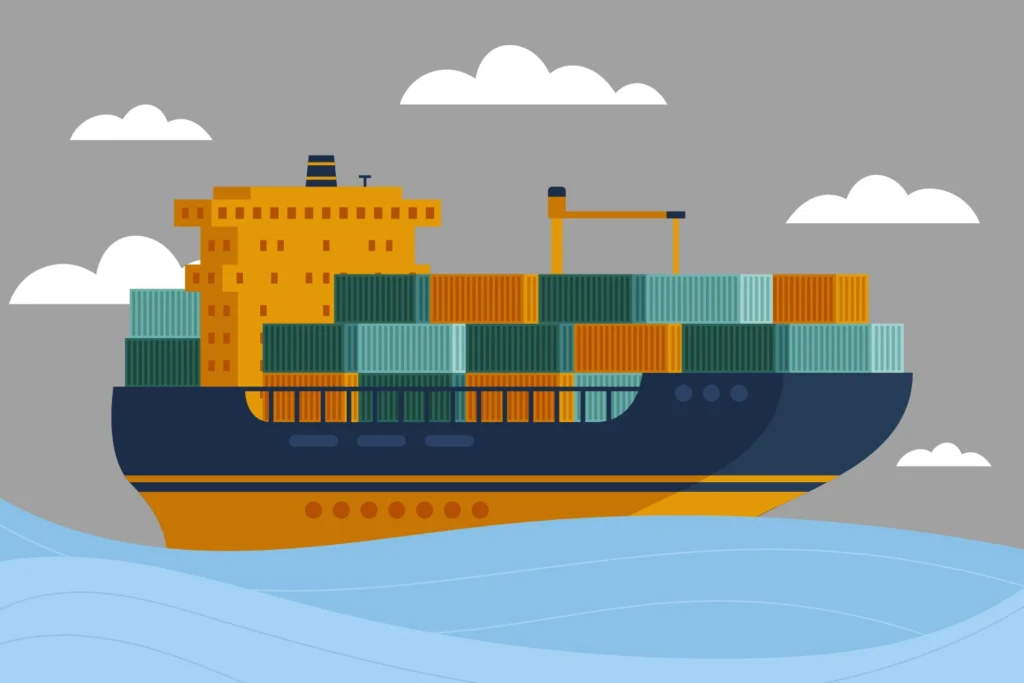
Sea freight is the most commonly used shipping method for cargo sent to Germany, especially for large-volume and heavy shipments.
Major destination ports include:
Port of Hamburg
Port of Bremerhaven
Port of Wilhelmshaven
Sea freight supports:
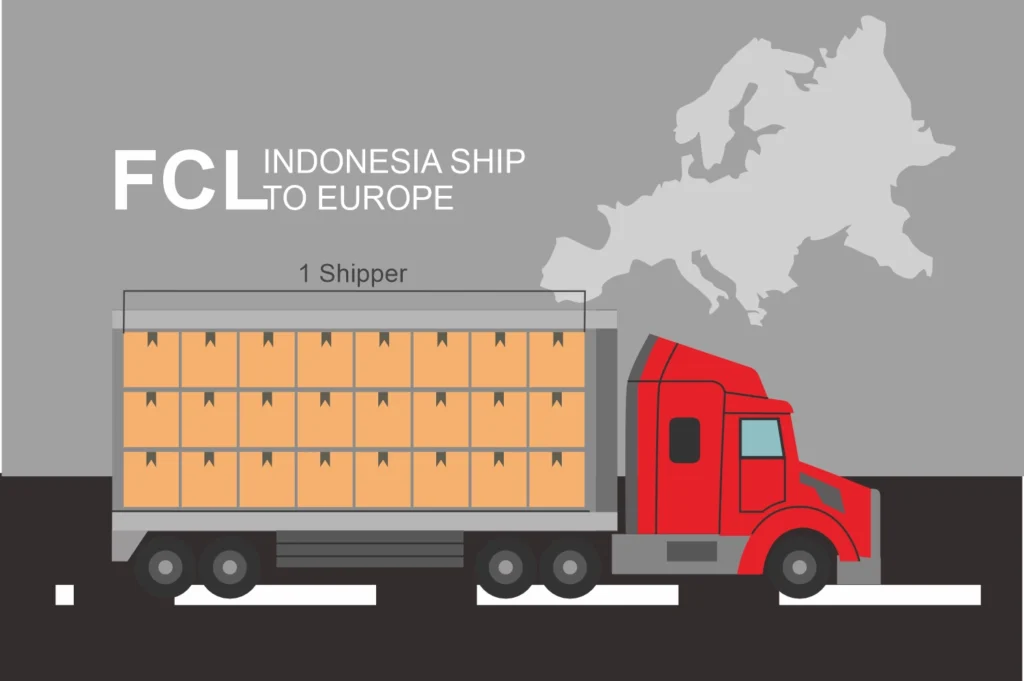
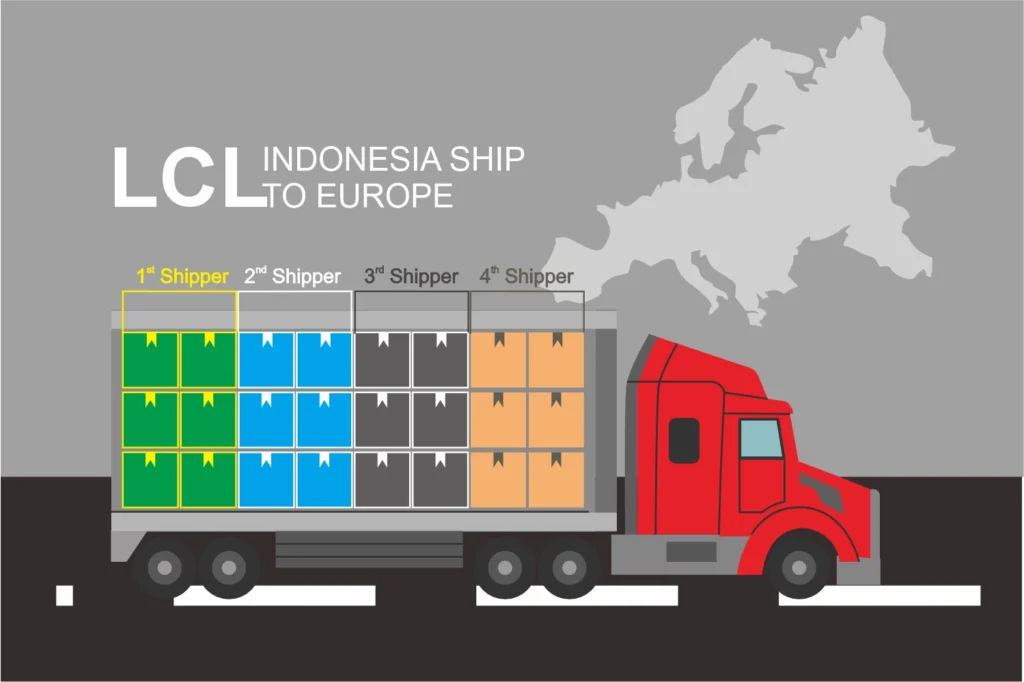
Full Container Load (FCL)
Less than Container Load (LCL)
This option is ideal for machinery, automotive components, furniture, construction materials, and bulk commercial goods.
Air Freight
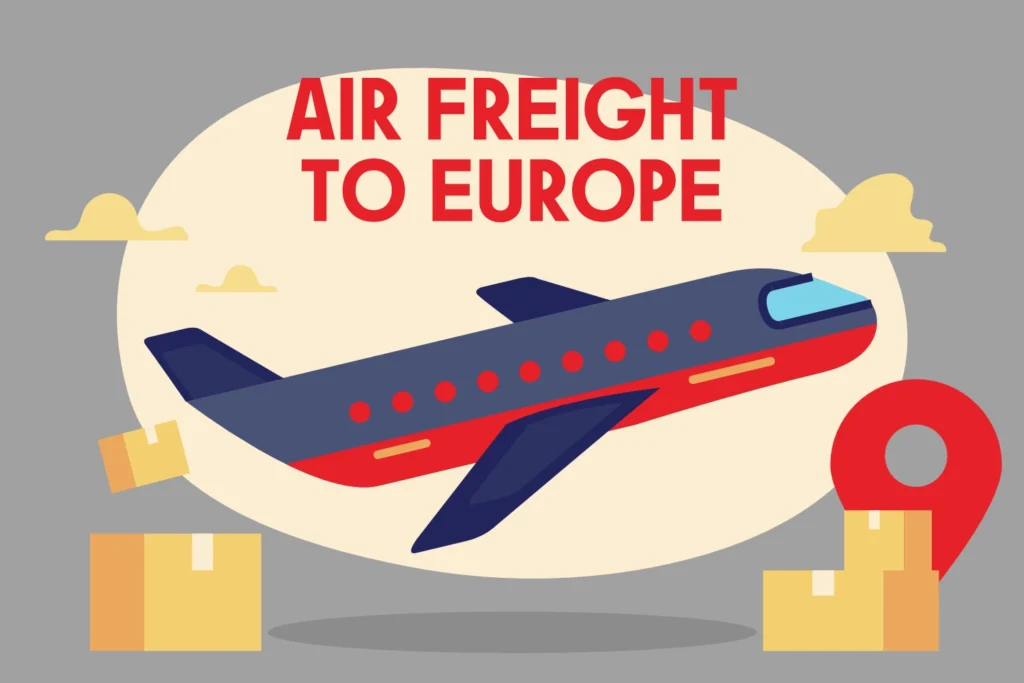
Air freight is suitable for urgent, high-value, or time-sensitive shipments. It is often used for electronics, spare parts, precision tools, fashion products, and medical equipment.
Although air freight costs are higher, it significantly reduces delivery time and offers reliable schedules for critical shipments to Germany.

Estimated Transit Time to Germany
Transit time depends on the shipping method and routing:
Sea Freight: Approximately 30–40 days
Air Freight: Around 5–7 days, including customs clearance
Transit times may vary due to port congestion, seasonal demand, and customs inspections.
Shipping Cost Factors
Shipping costs from Indonesia to Germany are influenced by:
- Cargo Size, Weight, and Volume
- Shiping Methode (Air & Sea)
- Destination port or airport
- Fuel surcharges and peak season demand
Sea freight offers lower cost per unit for bulk shipments, while air freight provides speed and reliability for urgent cargo.
Customs Clearance & Documentation in Germany
Germany enforces strict customs regulations under European Union standards. Required documents typically include:
- Commercial Invoice
- Packing List
- Bill of Landing or Air Waybill
- Certificate of Origin (if applicable)
Incorrect documentation can result in delays or inspections. Professional customs handling is essential for smooth clearance.
Read also : How to shipping from Indonesia to Europe
Common Challenges When Shipping to Germany
Some challenges businesses may face include:
Strict EU compliance requirements
High documentation accuracy standards
Port congestion during peak seasons
These challenges can be managed with experienced logistics coordination and accurate cargo preparation.
Why Choose Nagoya Trans Logistik for Germany Shipping
Nagoya Logistik provides end-to-end shipping solutions from Indonesia to Germany, including:
Sea and air freight coordination
Customs documentation support
Shipment tracking and monitoring
Optimized routing to German ports
Our experience ensures secure, efficient, and reliable delivery into Germany’s competitive market.
Conclusion Shipping From Indonesia to Germany
Shipping from Indonesia to Germany offers access to Europe’s strongest industrial economy. By selecting the right shipping method and a trusted logistics partner, businesses can expand into the German market with confidence.
Nagoya Logistik delivers professional, cost-effective logistics solutions tailored to shipments bound for Germany.
Planning to ship to Germany? Contact Nagoya Trans Logistik today for a customized shipping solution.