
Shipping from Indonesia to Singapore: Cost, Transit Time, and Process
Shipping From Indonesia to Singapore
Singapore is one of Indonesia’s most important trading hubs and a key logistics gateway in Southeast Asia. Due to its strategic location and advanced port infrastructure, shipping from Indonesia to Singapore is fast, efficient, and highly reliable. Businesses commonly ship consumer goods, industrial parts, electronics, food products, and raw materials through this route.
Understanding shipping methods, cost factors, transit times, and customs clearance requirements helps businesses optimize their supply chain and avoid unnecessary delays. With the right logistics partner, international shipping to Singapore becomes smooth and predictable.
Shipping Methods Available
Businesses shipping from Indonesia to Singapore typically choose between sea freight and air freight, depending on cargo type, urgency, and budget.
Sea Freight
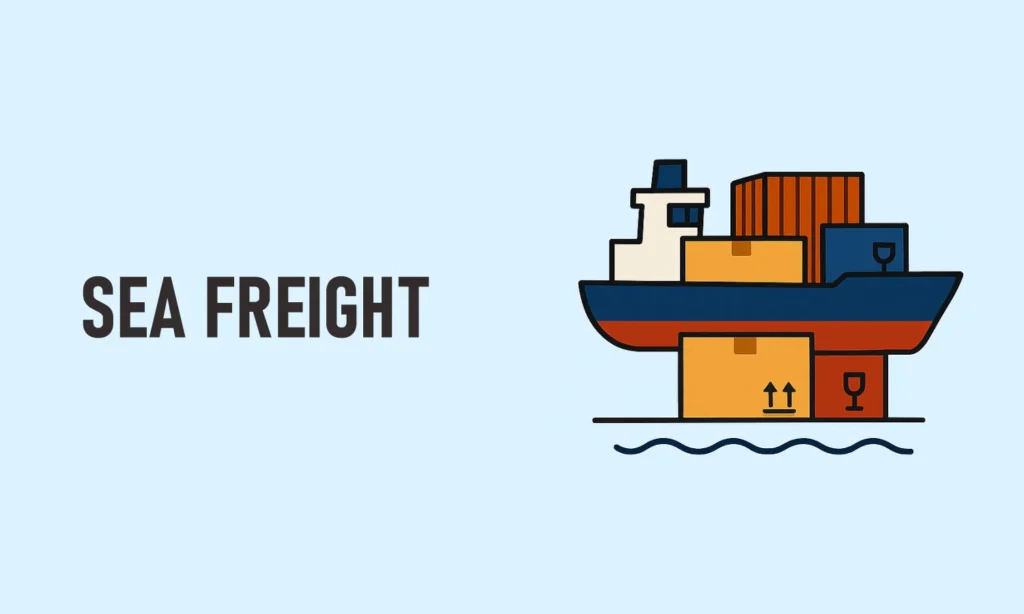
Sea freight is a cost-effective solution for shipping large volumes or heavy cargo. Due to the close proximity between Indonesia and Singapore, sea freight offers frequent sailings and relatively short transit times.
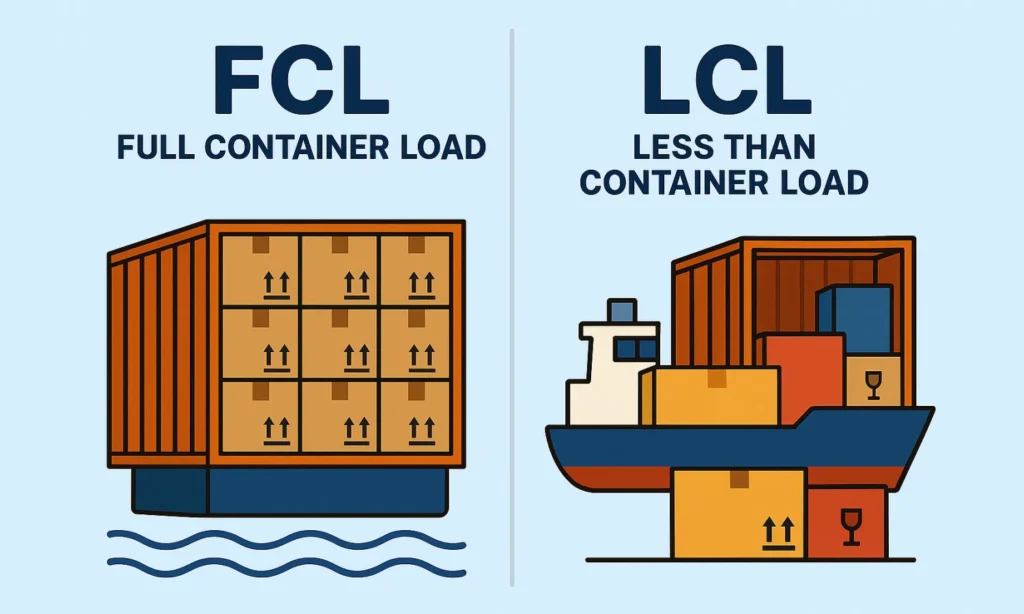
Sea freight supports both Full Container Load (FCL) and Less than Container Load (LCL) shipments and is suitable for furniture, machinery, automotive parts, building materials, and bulk commercial goods.
Air Freight
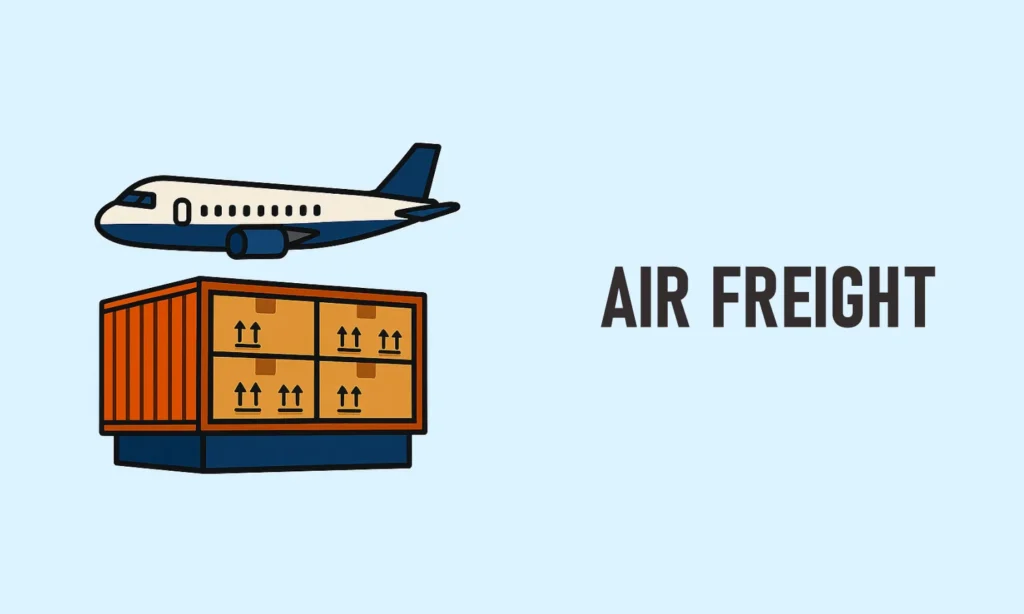
Air freight is the fastest shipping option and is ideal for urgent, high-value, or time-sensitive shipments. It is commonly used for electronics, spare parts, fashion products, and perishable goods.
Although air freight costs are higher than sea freight, the speed and reliability make it a preferred option for businesses requiring quick delivery to Singapore.

Estimated Shipping Cost from Indonesia to the Singapore
Shipping costs from Indonesia to Singapore depend on several factors:
- Cargo Weight and Volume
- Shiping Methode (Air & Sea)
- Destination port or airport in Singapore
- Fuel surcharges and seasonal demand
Sea freight generally offers lower costs per unit for bulk shipments, while air freight is priced higher due to faster delivery and specialized handling. For accurate pricing, businesses should request a customized quote based on shipment details.
Nagoya Logistik provides transparent pricing and flexible shipping solutions tailored to your cargo requirements.
Transit Time Breakdown
Transit times for shipments from Indonesia to Singapore are relatively short compared to other international routes:
Sea Freight: Approximately 5–10 days, depending on origin port and vessel schedule.
Air Freight: Typically 1–3 days, including customs
clearance.
Short transit times make Singapore an ideal destination for time-sensitive shipments and regional distribution.
Required Documents & Customs Clearance
Accurate documentation is essential for smooth customs clearance when shipping to Singapore. Common documents include:
- Commercial Invoice
- Packing List
- Bill of Landing / Air Waybill
- Export Declaration
Singapore is known for efficient customs processes, but compliance with import regulations and accurate cargo classification remains critical to avoid delays.
Working with an experienced freight forwarder ensures all documentation is handled correctly and efficiently.
Common Challenges When Shipping to Singapore
Although Singapore offers efficient logistics infrastructure, businesses may still face challenges such as:
Incomplete or incorrect documentation
Cargo inspections for regulated goods
Tight delivery schedules for urgent shipments
These issues can be minimized through proper preparation and professional logistics support.
Why Choose Nagoya Trans Logistik for Shipping to Singapore
Nagoya Logistik provides end-to-end shipping solutions from Indonesia to Singapore, including:
Optimized sea and air freight routing
Professional documentation handling
Real-time shipment tracking
Customs clearance coordination
Our expertise ensures reliable, fast, and cost-effective shipping for businesses trading with Singapore.
Enviromental Consideration
Sea freight produces lower carbon emissions per unit compared to air freight, making it a more sustainable option for non-urgent shipments. Air freight, while faster, generates higher emissions and should be used when speed is essential.
Balancing speed, cost, and sustainability helps businesses make informed shipping decisions.
Conclusion Shipping From Indonesia to Singapore
Shipping from Indonesia to Singapore is a strategic advantage for businesses engaged in regional and international trade. Whether using sea freight for cost efficiency or air freight for speed, choosing the right logistics partner ensures smooth operations and reliable delivery.
Nagoya Logistik offers professional shipping services, expert guidance, and end-to-end support to help businesses succeed in international trade with Singapore.
Shipping to Japan? Request a quote today and let Nagoya Logistik Nagoya Logistik handle your international shipment with confidence.