
Shipping from Indonesia to Spain: Cost, Transit Time, and Freight Options
Shipping From Indonesia to Spain
Spain is one of Southern Europe’s most important trade and logistics destinations, serving as a gateway to Spain, Portugal, and parts of the Mediterranean region. With strong demand for industrial goods, automotive parts, furniture, consumer products, and raw materials, Spain represents a valuable export market for Indonesian businesses.
Shipping from Indonesia to Spain requires careful logistics planning due to long distances, European Union regulations, and multiple port and airport options. With the right freight solution, businesses can ensure efficient, secure, and cost-effective cargo delivery to Spain.
Shipping Methods from Indonesia to Spain
Sea Freight
Sea freight is the most commonly used shipping method for shipments bound for Spain, especially for large or heavy cargo.
Major destination ports include:
Port of Barcelona
Port of Valencia
Port of Algeciras
Port of Bilbao
Sea freight supports:
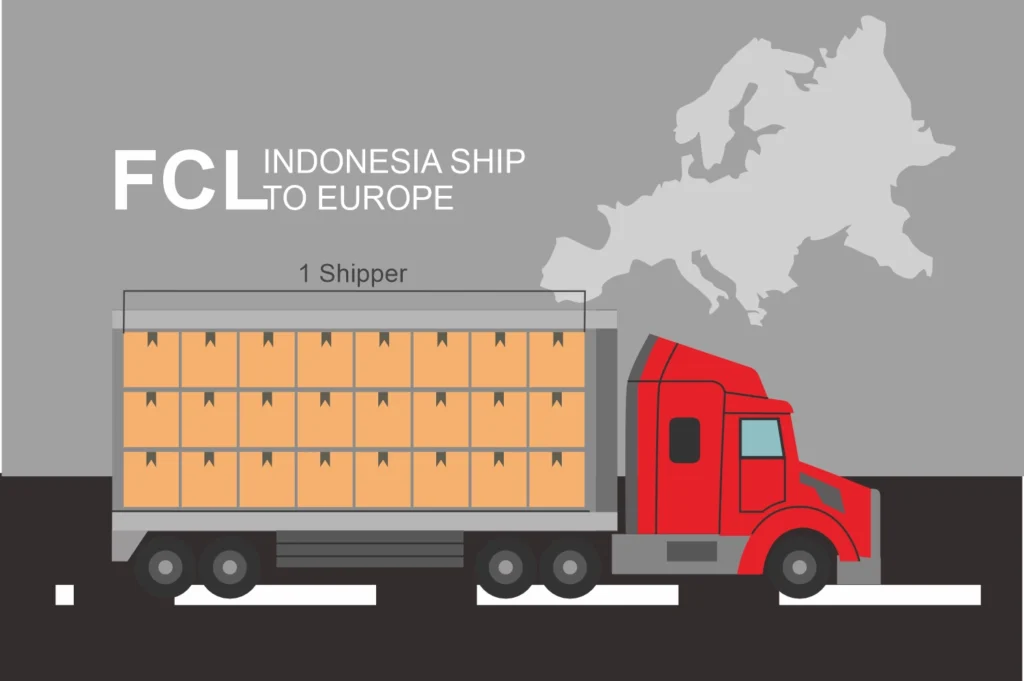
Full Container Load (FCL)
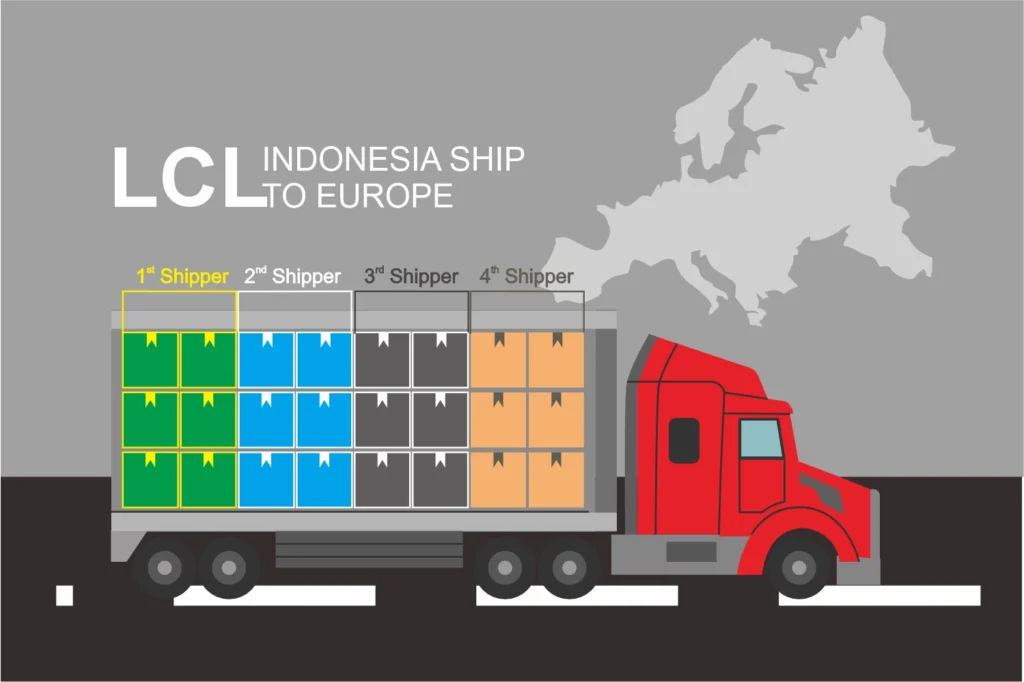
Less than Container Load (LCL)
This method is ideal for machinery, furniture, automotive components, construction materials, and bulk commercial goods. Spain’s ports are well-connected to inland transport networks across Europe.
Air Freight
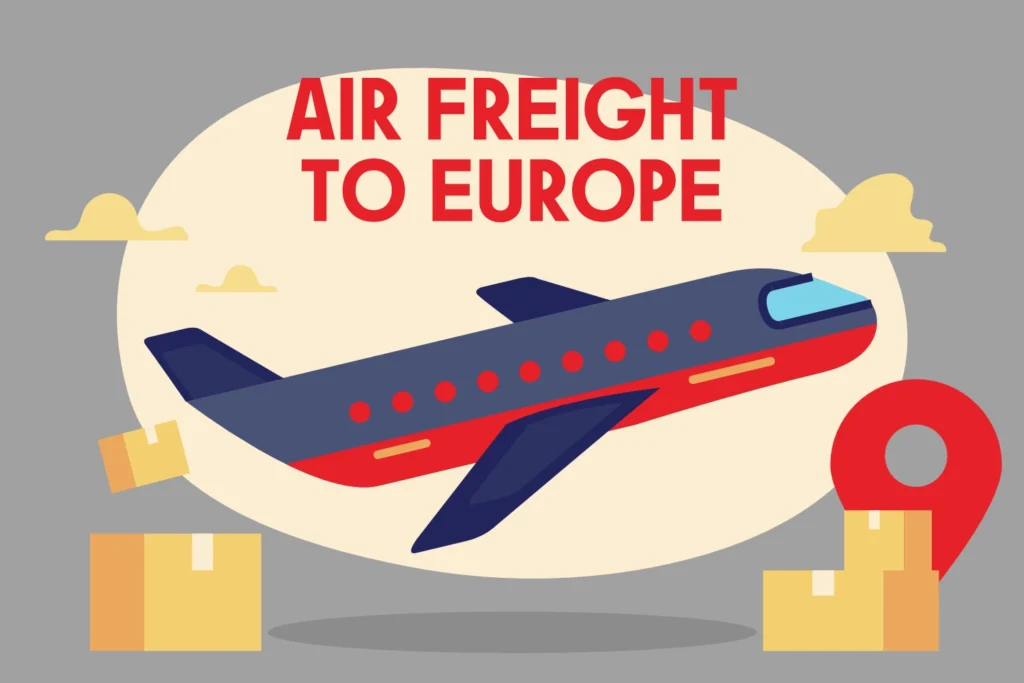
Air freight is suitable for urgent, high-value, or time-sensitive shipments. It is commonly used for electronics, spare parts, fashion products, and precision equipment.
Major destination airports include:
Madrid–Barajas Airport (MAD)
Barcelona–El Prat Airport (BCN)
Air freight offers faster delivery times and reliable schedules for critical shipments.

Estimated Transit Time to Spain
Transit time depends on the shipping method and routing:
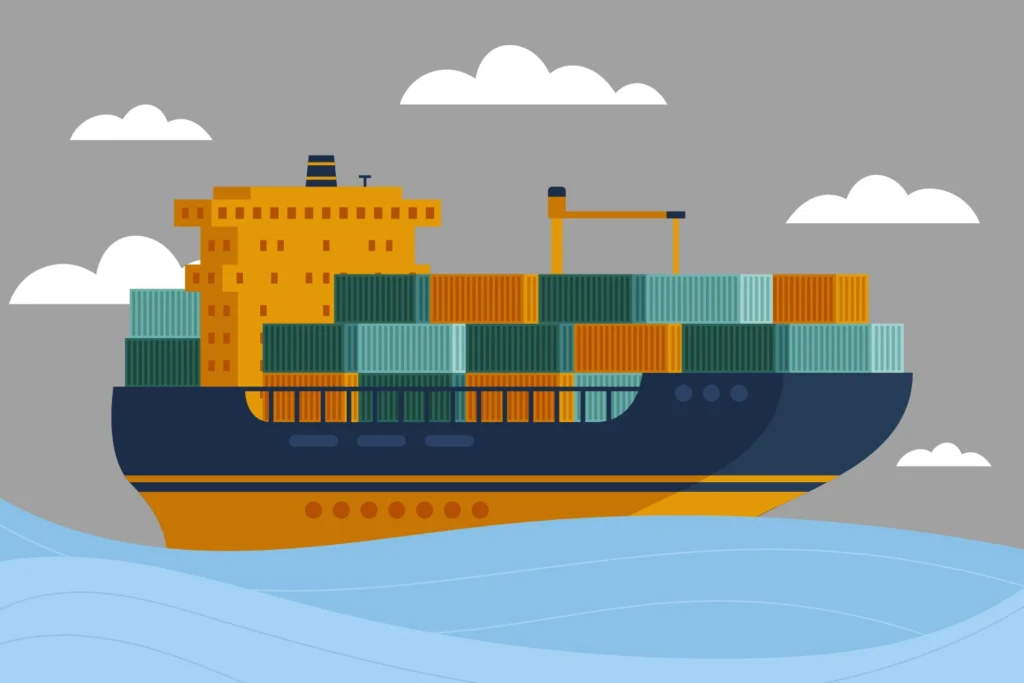
Sea Freight: Approximately 30–45 days
Air Freight: Around 5–8 days, including customs clearance
Transit times may vary due to port congestion, seasonal demand, and customs inspections.
Shipping Cost Factors
Shipping costs from Indonesia to Spain are influenced by:
- Cargo Volume & Weight
- Shipping Methode (Air & Sea)
- Destination port or airport
- Fuel surcharges and seasonal demand
Sea freight provides cost efficiency for bulk shipments, while air freight offers speed and reliability for urgent cargo.
Customs Clearance & Documentation in Spain
As a member of the European Union, Spain follows EU customs regulations. Required documents typically include:
- Commercial Invoice
- Packing List
- Bill of Landing or Air Waybill
- Certificate of Origin (if applicable)
Accurate documentation is essential to avoid customs delays or additional inspections.
Read also : How to shipping from Indonesia to Europe
Common Challenges When Shipping to Spain
Some challenges businesses may face include:
Strict EU compliance requirements
High documentation accuracy standards
Port congestion during peak seasons
These challenges can be managed with experienced logistics coordination and proper cargo preparation.
Why Choose Nagoya Trans Logistik for Spain Shipping
Nagoya Logistik provides end-to-end shipping solutions from Indonesia to Germany, including:
Sea and air freight coordination
EU-compliant customs documentation
Shipment tracking and monitoring
Optimized routing to major Spanish ports and airports
Our experience ensures efficient, secure, and cost-effective delivery to the Spanish market.
Conclusion Shipping From Indonesia to Spain
Shipping from Indonesia to Spain offers access to one of Southern Europe’s most active trade markets. By choosing the right shipping method and a trusted logistics partner, businesses can reduce risks, control costs, and ensure smooth delivery.
Nagoya Logistik delivers professional logistics solutions tailored to shipments bound for Spain.
Planning to ship to Spain? Contact Nagoya Trans Logistik today for a customized shipping solution.