Choosing the right freight forwarder is one of the most important decisions in international shipping. A reliable logistics partner can ensure smooth cargo movement, while the wrong choice can lead to delays, unexpected costs, and operational issues.
Whether you are exporting for the first time or managing regular shipments, understanding how to select the right freight forwarder will help you avoid common mistakes and improve your overall supply chain efficiency.
What Is a Freight Forwarder?
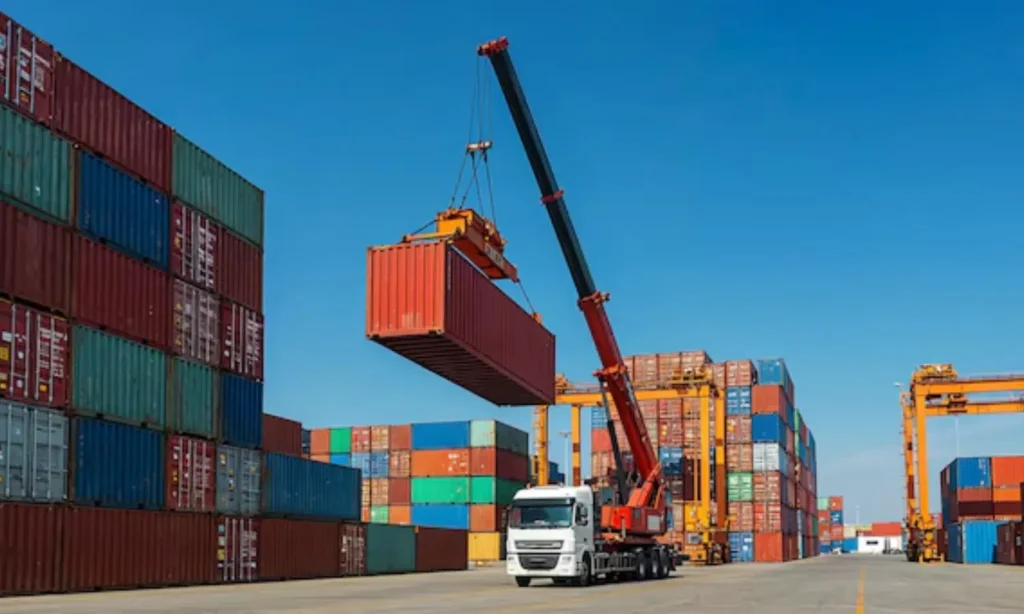
A freight forwarder is a company that manages the transportation of goods from one country to another. They handle logistics coordination, documentation, customs clearance, and shipping arrangements via sea freight or air freight.
In simple terms, a freight forwarder acts as your logistics partner to ensure your cargo reaches its destination safely and efficiently.
Key Factors to Consider When Choosing a Freight Forwarder
1. Experience and Expertise
Choose a freight forwarder with proven experience in international shipping. An experienced company understands shipping routes, customs regulations, and how to handle potential issues.
Look for:
- Years of experience
- Industry specialization
- Track record with similar shipments

2. Global Network and Coverage
A strong global network is essential for smooth logistics operations.
Make sure the freight forwarder has:
- International partners or agents
- Coverage in your target destination countries
- Access to major ports and airports
This ensures better coordination and fewer delays.

3. Range of Services
A good freight forwarder should offer comprehensive services, including:
- Sea freight (FCL & LCL)
- Air freight
- Customs clearance
- Door-to-door delivery
- Inland transportation
Working with a full-service provider simplifies your logistics process.

4. Transparency in Pricing
Shipping costs can vary depending on many factors. A reliable freight forwarder should provide:
- Clear and detailed quotations
- No hidden fees
- Transparent cost breakdown
This helps you plan your budget and avoid unexpected expenses.
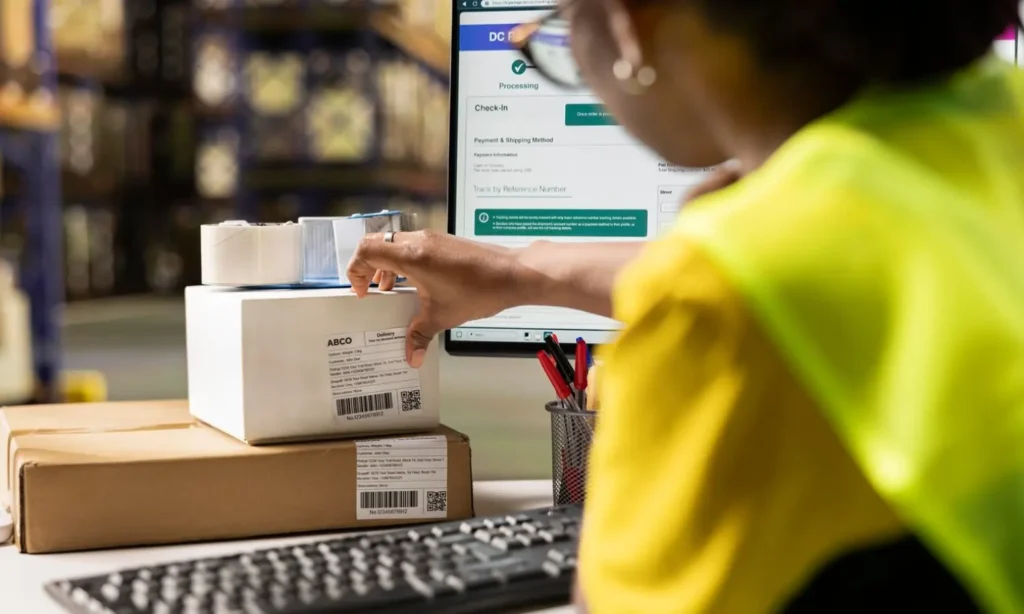
5. Communication and Support
Good communication is critical in international shipping.
Choose a freight forwarder that:
- Responds quickly
- Provides regular updates
- Offers shipment tracking
- Is easy to contact
Strong communication reduces uncertainty and improves coordination.

6. Customs Knowledge and Documentation Support
Customs clearance is one of the most complex parts of international shipping.
Your freight forwarder should:
- Understand import/export regulations
- Assist with documentation
- Help prevent customs delays
Accurate paperwork is essential for smooth delivery.
Common Mistakes to Avoid
When choosing a freight forwarder, avoid these mistakes:
- Choosing based on price only
- Ignoring experience and reputation
- Not checking service coverage
- Overlooking customer support quality
- Failing to confirm included services
A cheap option may lead to higher costs in the long run.
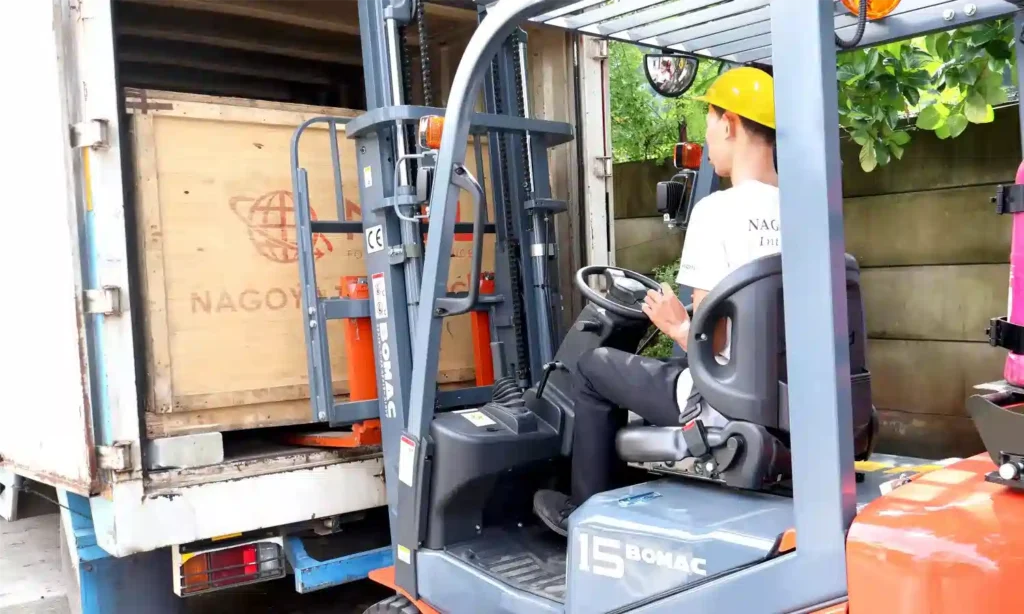
Why Choosing the Right Freight Forwarder Matters
The right freight forwarder can:
- Reduce shipping delays
- Optimize transit time
- Improve cost efficiency
- Ensure compliance with regulations
- Enhance customer satisfaction
Your logistics partner plays a key role in your business success.
Conclusion
Choosing the right freight forwarder for international shipping requires careful evaluation of experience, services, pricing, and communication.
By working with a reliable logistics partner, businesses can ensure smooth, efficient, and cost-effective shipping operations.
Nagoya Logistik provides professional freight forwarding services with reliable global coverage and end-to-end logistics support.