Top 10 Mistakes Businesses Make in International Shipping
International shipping plays a vital role in global trade, allowing businesses to source products and reach customers around the world. However, even experienced companies can make costly mistakes that lead to shipping delays, increased expenses, customs issues, and dissatisfied customers.
Understanding these common mistakes can help businesses improve their logistics strategy and build a more reliable supply chain.
1. Choosing the Wrong Shipping Method
Selecting the wrong transportation method can significantly impact delivery times and shipping costs.
Sea freight is generally suitable for larger shipments with flexible delivery schedules, while air freight is ideal for urgent or high-value cargo.
Choosing the right option depends on your shipment size, budget, and delivery timeline.
2. Incomplete Shipping Documentation

Incorrect or missing documents are one of the most common reasons for customs delays.
Businesses should ensure all shipping documents are accurate before cargo is dispatched, including commercial invoices, packing lists, and other required documentation.
3. Ignoring Customs Requirements

Every country has different customs regulations.
Failing to understand import or export requirements may result in cargo inspections, additional charges, or shipment delays.
Working with an experienced customs clearance partner helps minimize these risks.
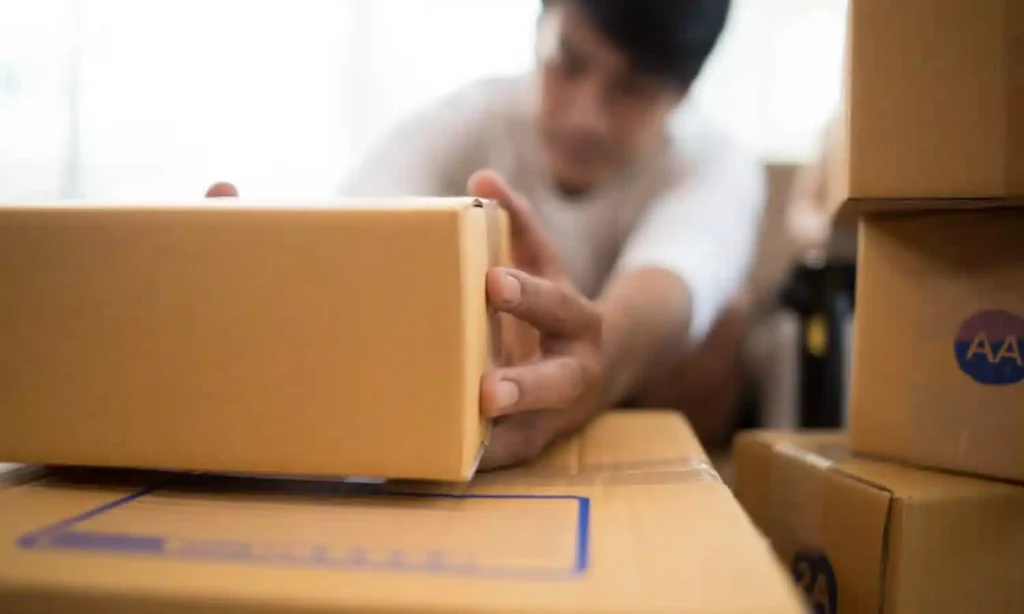
4. Poor Packaging
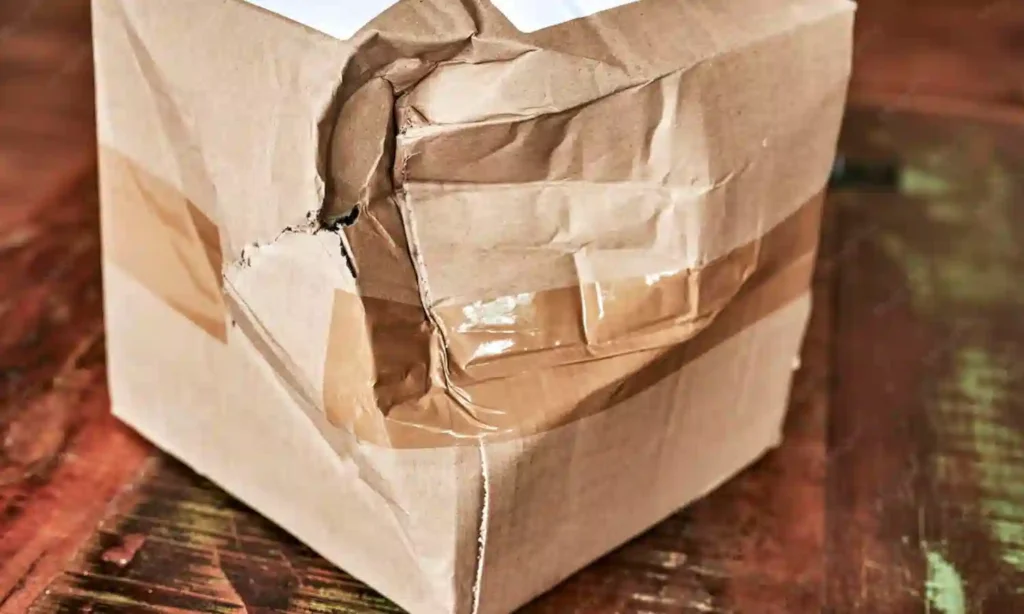
Improper packaging can lead to damaged goods during transportation.
Businesses should use appropriate packaging materials that match the cargo type, shipping method, and handling requirements.
5. Focusing Only on the Lowest Shipping Cost
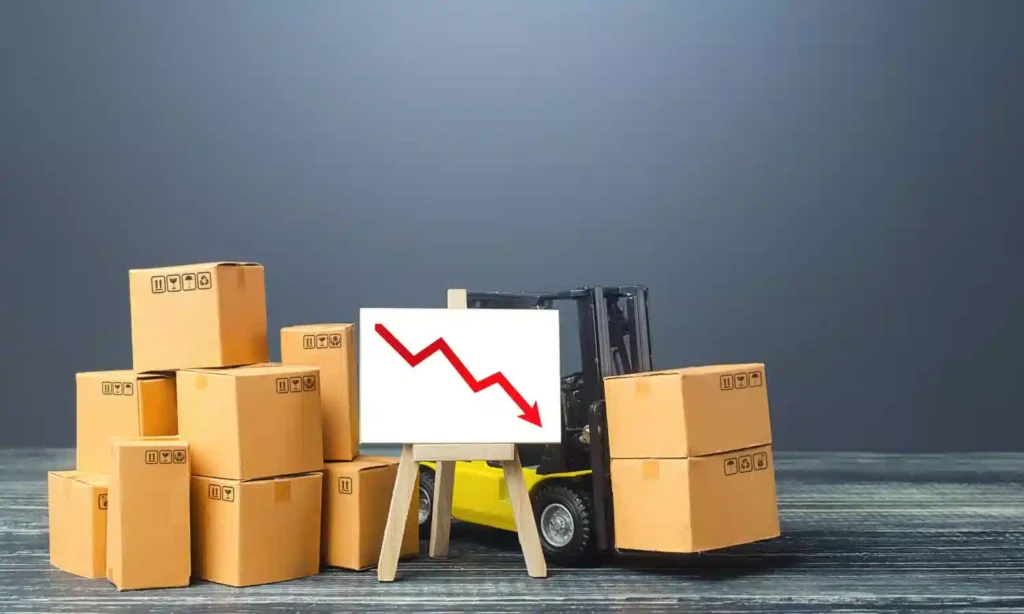
Choosing the cheapest logistics provider does not always deliver the best value.
Reliable service, shipment visibility, communication, and logistics expertise are often more important than price alone.
6. Not Planning for Peak Shipping Seasons

Global shipping demand increases during certain periods of the year.
Businesses that fail to plan ahead may experience longer transit times, limited cargo space, and higher freight rates.
7. Underestimating Transit Times

Unexpected weather conditions, port congestion, customs inspections, and transportation disruptions can affect delivery schedules.
Building realistic shipping timelines helps reduce supply chain disruptions.
8. Lack of Shipment Tracking

Unexpected weather conditions, port congestion, customs inspections, and transportation disruptions can affect delivery schedules.
Building realistic shipping timelines helps reduce supply chain disruptions.
9. Working with Inexperienced Logistics Partners

International shipping involves multiple stages, including transportation, documentation, customs clearance, and final delivery.
Choosing an experienced freight forwarding partner can simplify the entire logistics process and reduce operational risks.
10. Neglecting Long-Term Logistics Planning
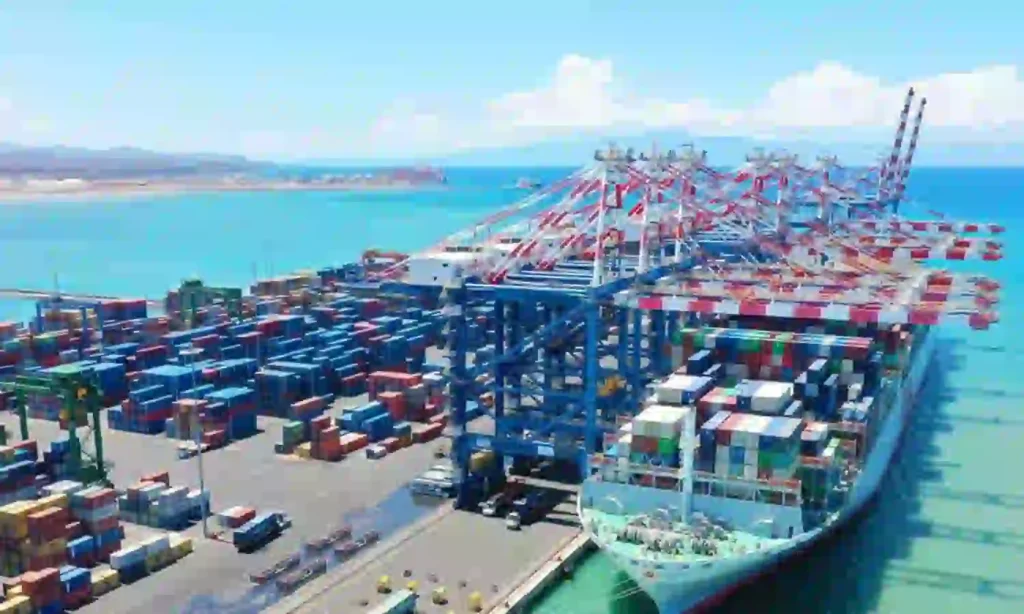
Many businesses focus only on individual shipments instead of developing an efficient long-term logistics strategy.
A well-planned logistics process can improve operational efficiency, reduce costs, and support sustainable business growth.
How to Avoid These Common Shipping Mistakes
Businesses can improve their international shipping operations by:
- Planning shipments in advance.
- Preparing complete shipping documentation.
- Choosing the appropriate shipping method.
- Monitoring shipments throughout the transportation process.
- Understanding customs requirements.
- Working with experienced freight forwarding professionals.
Why Choosing the Right Logistics Partner Matters
A reliable logistics partner provides more than transportation services. They help businesses coordinate shipments, manage documentation, navigate customs procedures, and optimize supply chain performance.
By partnering with an experienced freight forwarding company, businesses can reduce unnecessary risks while improving shipping efficiency and customer satisfaction.
Partner with Nagoya Trans Logistik
Nagoya Trans Logistik provides professional international freight forwarding services, including sea freight, air freight, customs clearance, inland transportation, and end-to-end logistics solutions for businesses across various industries.
Whether you are importing raw materials or exporting finished products, our experienced team is ready to help simplify your international shipping process.
Contact Nagoya Logistik today to discuss your shipping requirements and receive a customized logistics solution.