

How to Calculate International Shipping Costs for Your Business
International shipping costs can have a significant impact on a business’s purchasing decisions, product pricing, and profit margins. However, estimating the cost of moving goods across borders is not always straightforward.
The total expense may include more than the basic transportation rate. Depending on the shipment, businesses may also need to account for cargo dimensions, handling fees, customs duties, taxes, insurance, port charges, and inland transportation.
Understanding these cost components helps importers and exporters compare shipping options and prepare more realistic logistics budgets.
This guide explains the main factors that affect international shipping costs and how businesses can prepare a more complete estimate.
How to Calculate International Shipping Costs for Your Business
The first step is to determine whether the cargo will move by sea freight, air freight, or another transportation arrangement.

Sea freight is commonly used for larger shipments, heavy cargo, and goods that do not require the speed of air transportation. Depending on the shipment volume, businesses may choose Full Container Load (FCL) or Less than Container Load (LCL).
The final cost depends on factors such as container size, route, cargo requirements, and applicable origin and destination charges.

Air freight is often considered when shipment speed, time sensitivity, or cargo characteristics make air transportation appropriate.
Pricing commonly considers chargeable weight, which is determined by comparing actual gross weight with volumetric weight under the carrier’s applicable calculation method.
Neither method is automatically the cheapest for every shipment. The right choice depends on cargo size, weight, urgency, destination, and the complete cost structure.
Calculate Cargo Weight and Dimensions
Cargo weight and dimensions are important inputs when requesting a freight quotation.
For air freight, the carrier or logistics provider may calculate volumetric weight using the shipment’s dimensions and a specified dimensional factor. The chargeable weight is generally based on whichever is higher: actual gross weight or volumetric weight, subject to the applicable pricing rules.
For example, lightweight but bulky goods may occupy substantial aircraft space and therefore be charged according to volumetric weight.
For sea freight, shipment volume, container utilization, container type, and whether the cargo moves as FCL or LCL can affect the quotation.
Prepare accurate measurements and packing details before requesting a rate. Estimates based on incorrect dimensions may lead to revised charges later.

Consider FCL and LCL Pricing
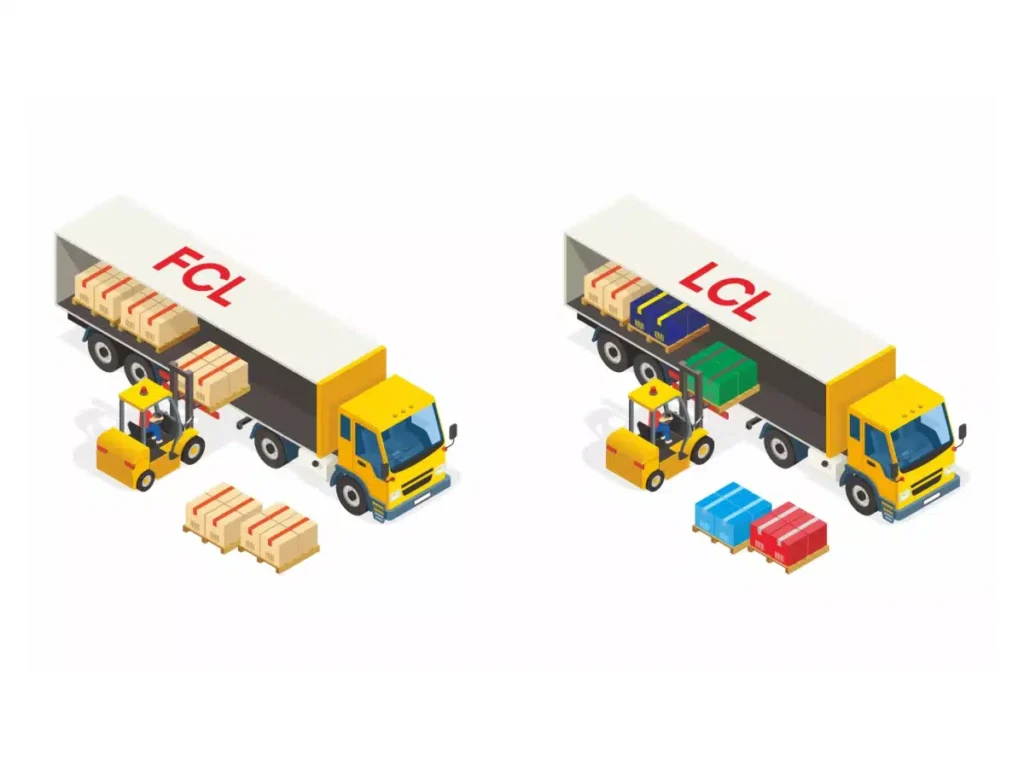
For sea freight, businesses should understand the difference between FCL and LCL.
Full Container Load (FCL) means the shipment is booked as a full container. The shipper does not necessarily have to fill every available space, but the container is booked for that shipment.
Less than Container Load (LCL) allows cargo to share container space with goods belonging to other shippers. Charges often depend on the shipment’s volume, weight, and the provider’s minimum billing rules.
FCL and LCL costs should be compared using the complete quotation, including relevant origin, destination, handling, and delivery charges.
Include Origin and Destination Charges
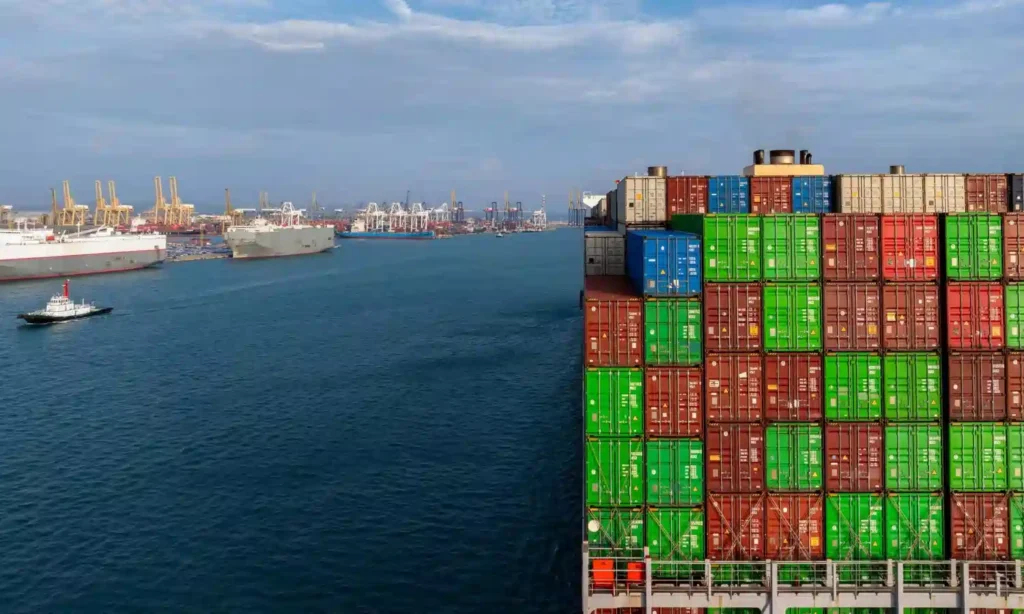
A freight rate may not include every service required to move cargo from the seller’s facility to the buyer’s premises.
Depending on the shipment, additional charges can include:
- Cargo collection or inland transport
- Export handling
- Documentation Fees
- Terminal handling charges
- Destination Handling
- Custom Brokerage Or Clearance Services
- final—mile delivery
These charges vary by route, carrier, port, service scope, and cargo requirements. Ask the logistics provider to explain what is included and excluded in the quotation.

Account for Customs Duties and Taxes
Import duties and taxes are separate from many transportation charges.
The amount payable can depend on product classification, customs value, country of origin, destination-country regulations, and any applicable trade agreements.
A low freight rate does not necessarily mean a low total landed cost. Businesses should estimate relevant customs charges before confirming the purchase and shipment.
Because customs rules differ by country and product, verify the applicable requirements with a qualified customs professional or the relevant authority.
Consider Cargo Insurance
Cargo insurance may provide financial protection against certain risks during transportation, depending on the policy and its exclusions.
The premium, covered risks, insured value, and claims requirements depend on the insurance arrangement.
Businesses should review whether insurance is included in a quotation or must be arranged separately. They should also confirm the scope of coverage instead of assuming that all loss, damage, or delay is covered.


Understand the Role of Incoterms
Incoterms® rules help define certain responsibilities, costs, and risks between buyers and sellers in international trade.
The selected rule can affect which party arranges transportation, handles export or import formalities, or pays particular costs.
However, Incoterms do not establish every component of the transaction, and the actual contract and applicable rules matter. Buyers and sellers should clearly agree on the delivery term and named place or port.
Calculate the Total Landed Cost
To compare options fairly, businesses should consider the total cost of bringing goods to the intended destination.
A simplified budgeting framework is:
Estimated landed cost = product cost + international freight + origin and destination charges + customs duties and taxes + insurance + inland delivery + other applicable fees.
This is a planning framework rather than a universal customs formula. The actual components depend on the transaction, delivery terms, country, and service arrangement. Avoid counting the same charge twice, and confirm which items are already included in the supplier’s or logistics provider’s quotation.
How to Request an Accurate Shipping Quotation
Provide the logistics provider with complete shipment information, including:
- Origin and destination addresses or ports.
- Cargo description and commodity details.
- Number and type of packages.
- Gross weight and dimensions.
- Preferred shipping method.
- Required shipping date or delivery timeline.
- Any special handling or documentation requirements.
- Whether customs clearance and final delivery are needed.
The more accurate the information, the easier it is to prepare a quotation that reflects the shipment’s actual requirements.
Final Thoughts
Calculating international shipping costs requires more than comparing headline freight rates. Cargo weight, dimensions, shipping method, handling fees, customs charges, insurance, and inland delivery can all affect the final amount.
Businesses can make better logistics decisions by requesting itemized quotations, checking exclusions, and comparing the total landed cost for each option.
Nagoya Trans Logistik can help businesses coordinate international freight and related logistics services based on cargo details, origin, destination, and shipping requirements.




One Response