

Worldwide Logistics Solution

What Is FCL Shipping? A Guide to Full Container Load

shipping from indonesia to Australia

What Is FCL Shipping?

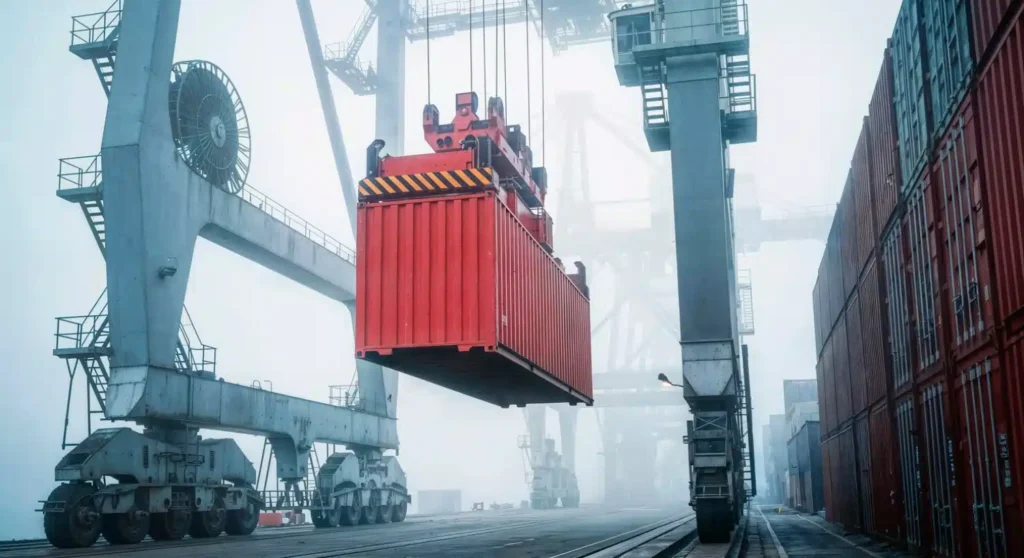
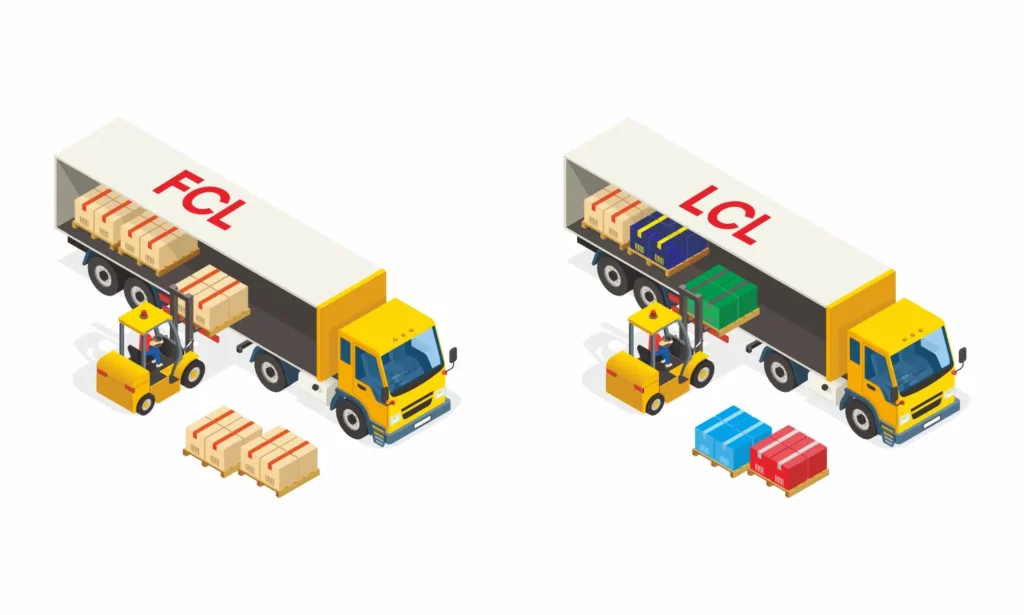
Full Container Load (FCL) is a Sea Freight arrangement in which a shipment is booked as a full container for one shipper’s cargo. The shipper does not always need to fill every cubic metre of the container. Instead, the container is allocated to that shipment rather than being shared with unrelated shippers’ cargo in the way that happens with Less than Container Load (LCL).

FCL shipping is commonly used by businesses transporting large quantities of goods, heavy cargo, or shipments that benefit from being packed together in one container.

For importers and exporters, understanding FCL can help with shipment planning, container selection, cost estimation, and coordination with suppliers and logistics providers.

How Does FCL Shipping Work?

Booking the Container 20 / 40 ft

The shipper or its logistics provider arranges a container booking with the relevant carrier. The booking depends on cargo details, origin, destination, container type, and the required shipping schedule.
Preparing and Packing the Cargo

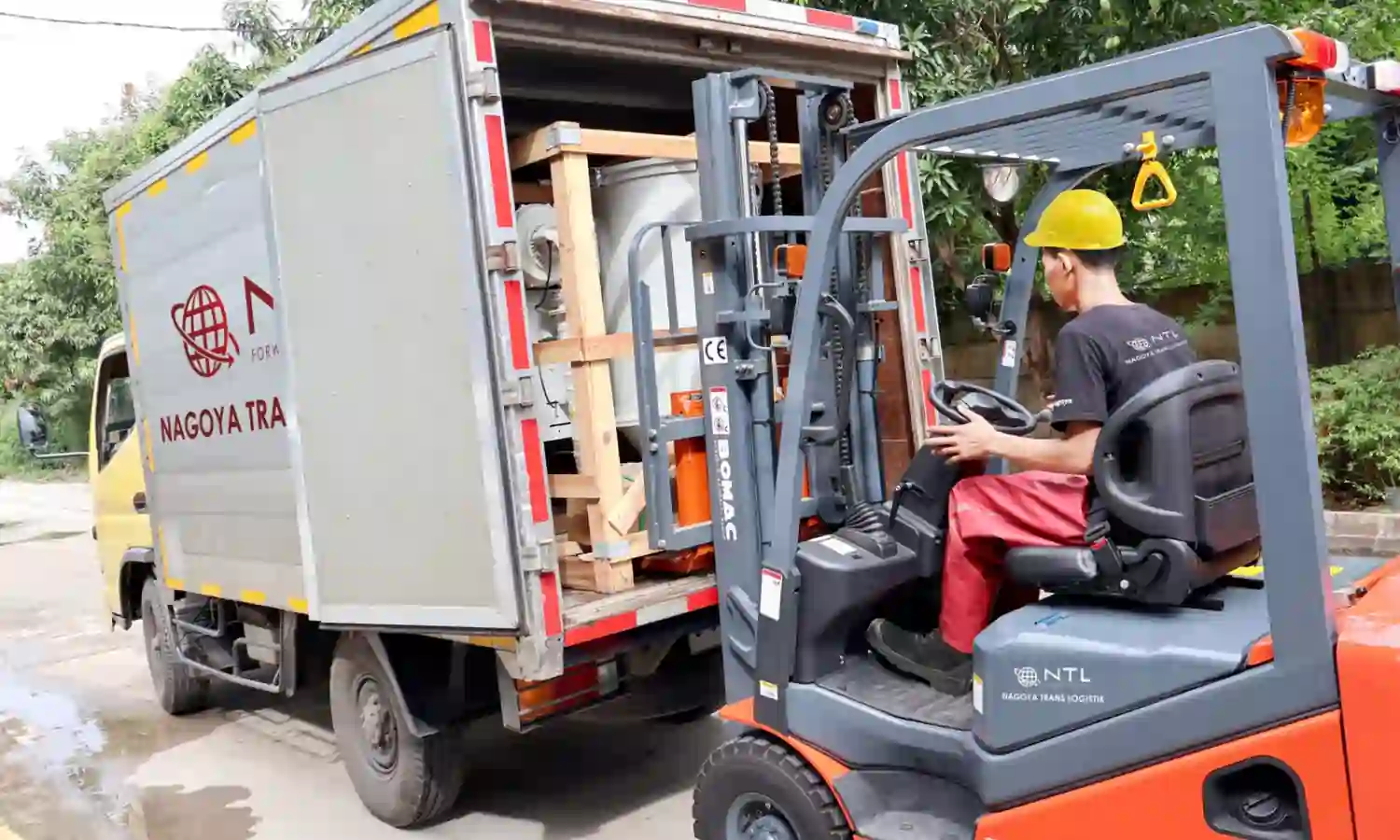
The goods are prepared for transportation and loaded into the container. Depending on the arrangement, loading may take place at the shipper's facility or another designated location.

Export Documentation and Customs

The required shipping instructions and export documents are prepared. Export customs procedures and any required inspections or approvals must be completed before the cargo can proceed.
sea freight services

Transportation by Sea Freight

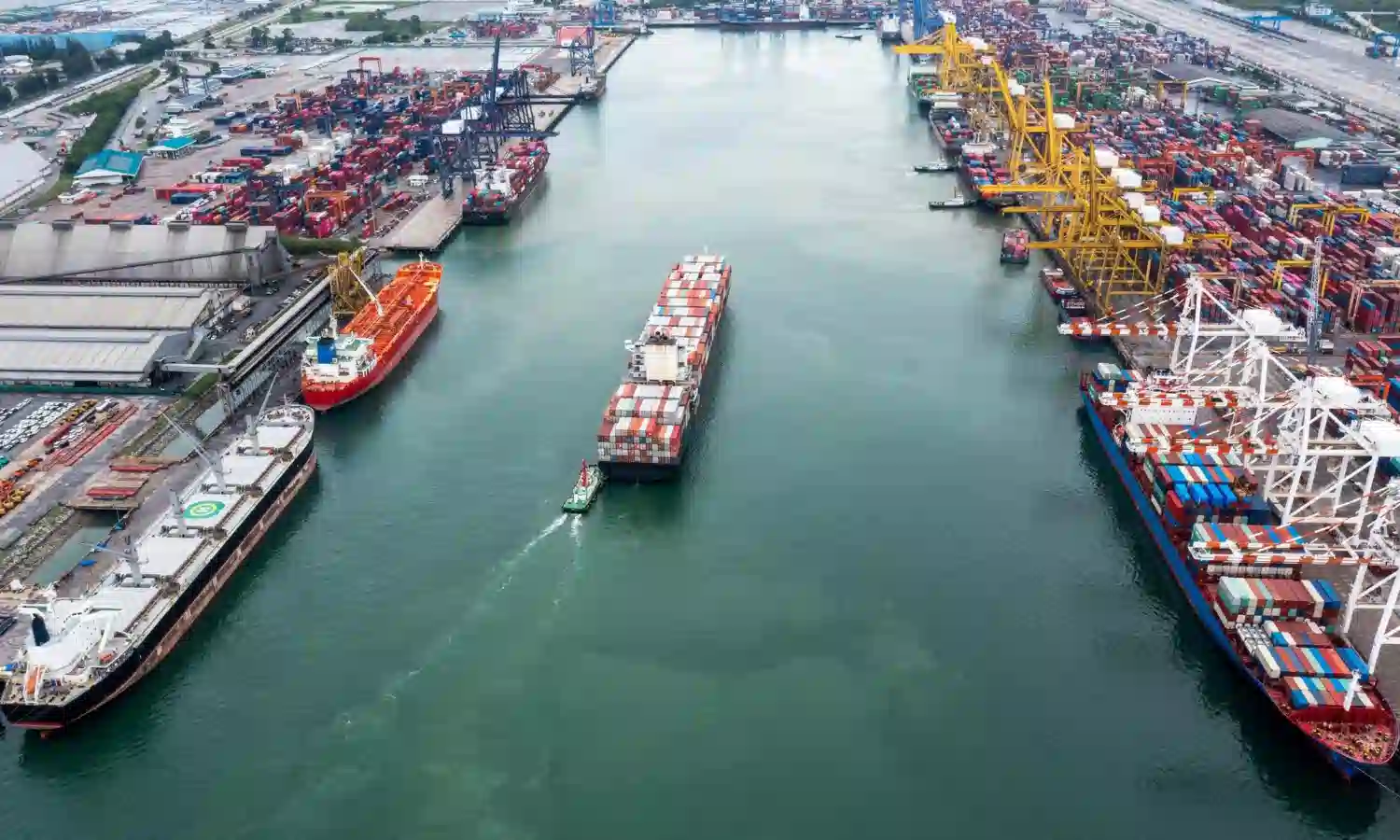
The container is transported to the port, loaded onto the vessel, and shipped to the destination port according to the agreed route.

bill of lading

Destination Handling and Customs

At destination, the container is unloaded and the required import documentation and customs procedures are completed.

what is a freight forwarder

Container Delivery and Unloading

After the applicable release requirements are met, the container can be transported to the agreed delivery location. The cargo is then unloaded according to the shipping arrangement.
What Container Sizes Are Used for FCL Shipping?

The appropriate container depends on cargo volume, weight, dimensions, and handling requirements.

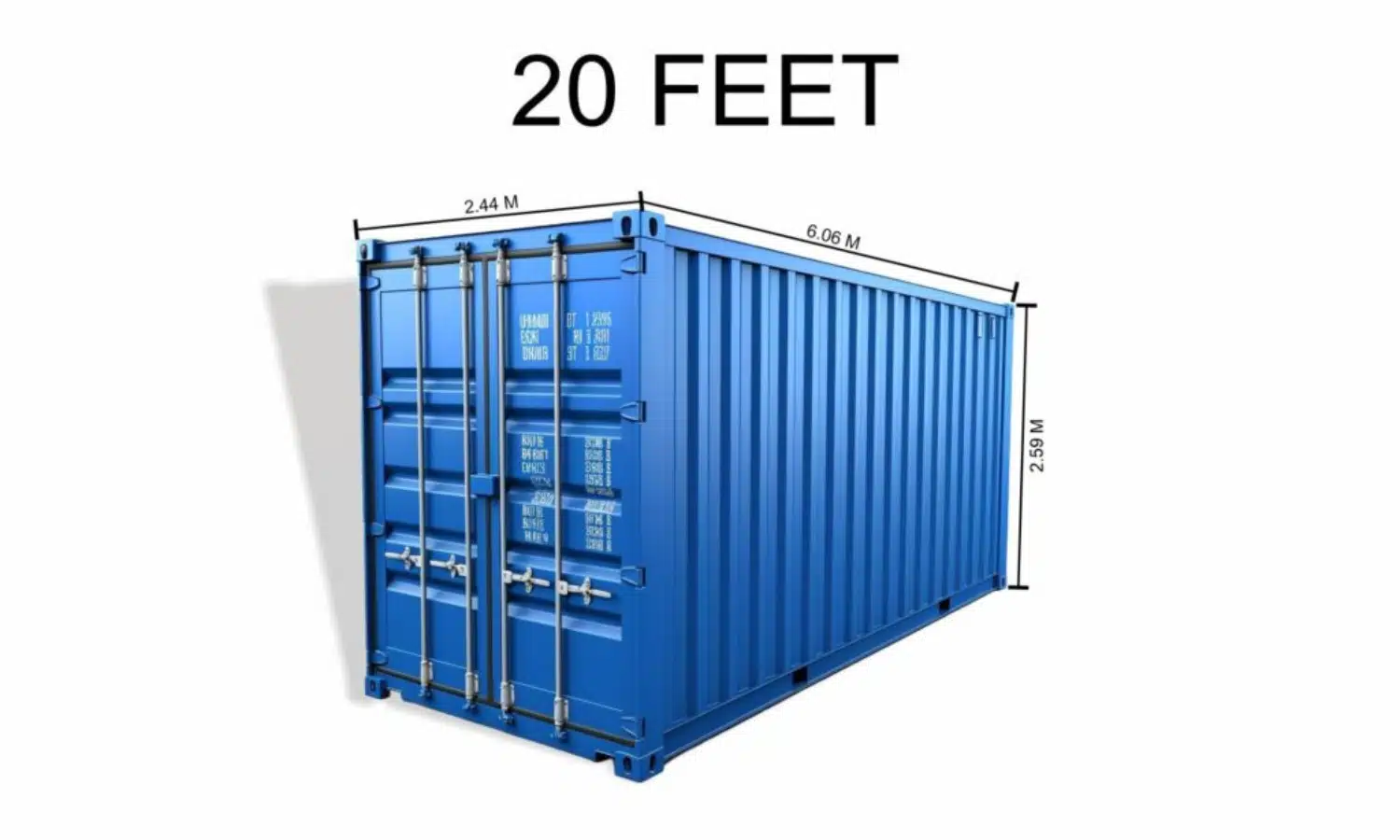
20–Feet Container

A 20-foot container may be suitable for relatively dense or heavy cargo that fits within its usable capacity and applicable weight limits.
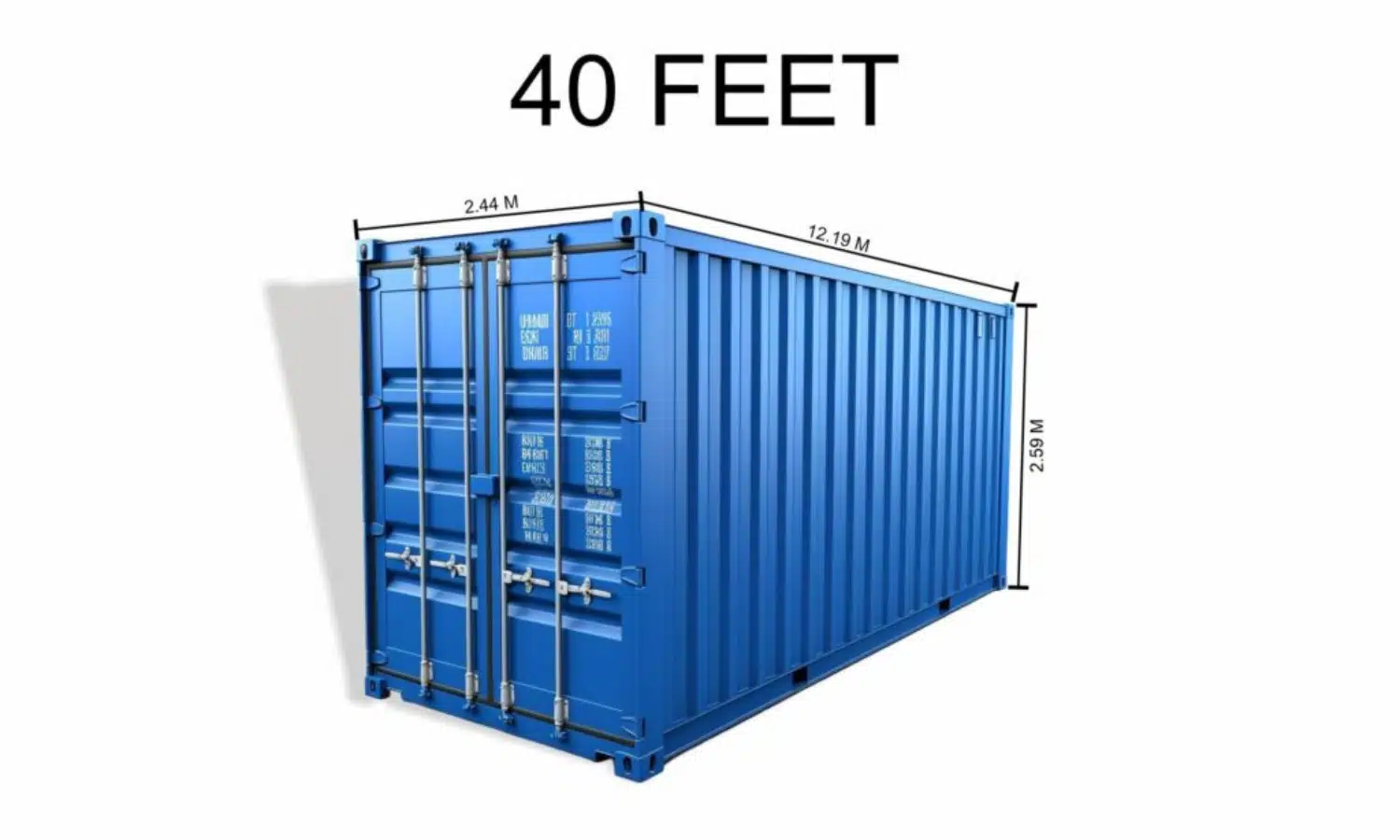
40–Feet Container

A 40-foot container offers more internal space than a standard 20-foot container. It may be appropriate for larger shipments or goods that require more loading volume.
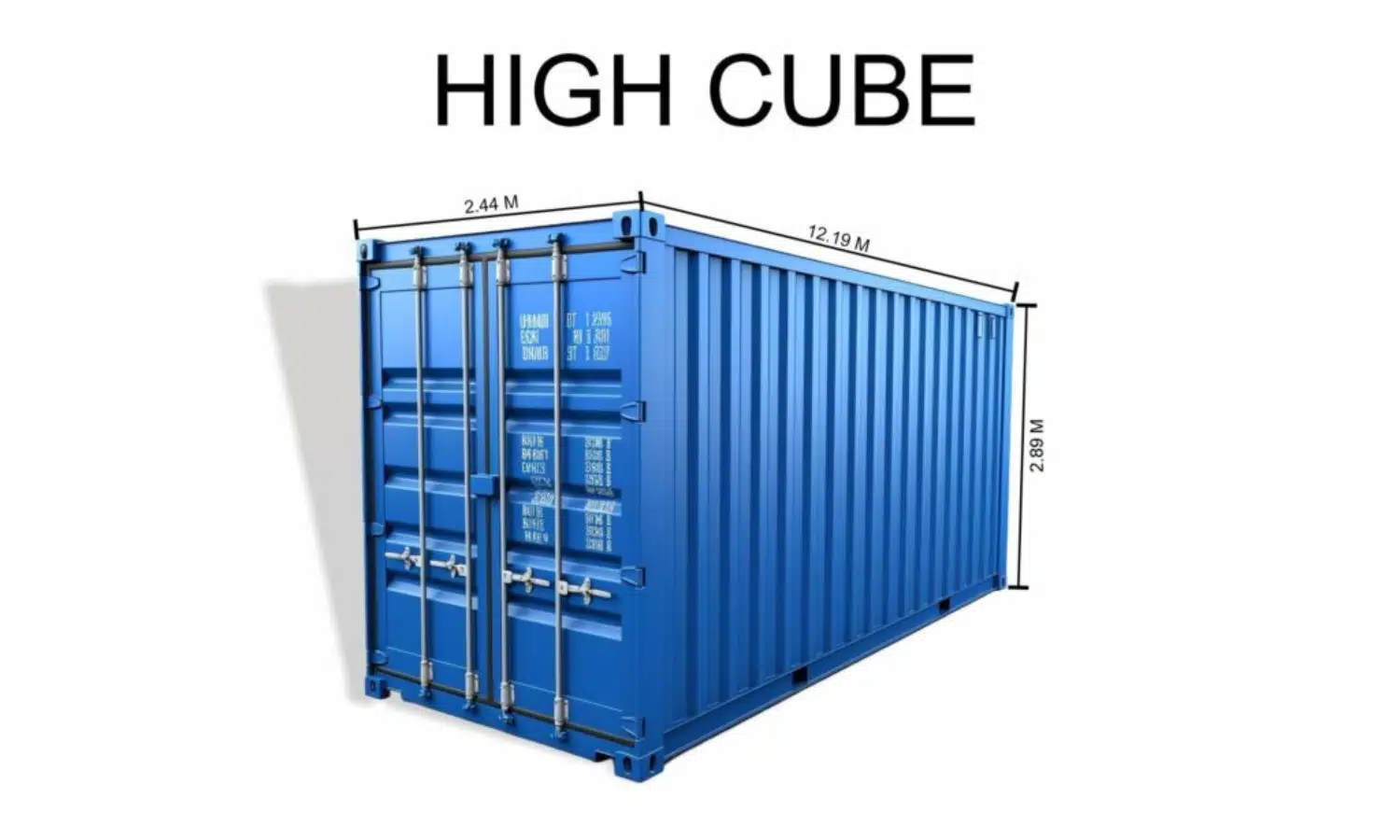
40–Feet High Cube

A 40-foot High Cube container provides additional internal height compared with a standard-height container of the same length. It can be useful for cargo that needs more vertical space, subject to the container's specifications and transport restrictions.

Actual internal dimensions, payload limits, and usable capacity vary by container design and carrier. Businesses should verify the equipment specifications before booking.

What Are the Benefits of FCL Shipping?

FCL can offer several practical advantages depending on the cargo and route.

The actual benefits depend on the route, shipment size, packing requirements, and service arrangement.

FCL vs. LCL: What Is the Difference?

shipping from indonesia to Australia

FCL and LCL differ primarily in how container space is booked and used.

With FCL, a container is booked for one shipper’s shipment. With LCL, cargo from multiple shippers is consolidated into shared container space.

FCL may be worth considering when a shipment uses a substantial amount of container capacity or requires dedicated container space. LCL may be more practical when the cargo volume is too small to justify booking a whole container.

Businesses should compare complete quotations rather than relying on a fixed volume threshold. Freight rates, minimum charges, handling fees, destination costs, and cargo characteristics can all affect the decision.

What Affects FCL Shipping Costs?

The total cost of an FCL shipment can include:

Rates vary according to the route, season, carrier, container availability, and shipment requirements. Request an itemized quotation to understand which services are included.

How to Prepare for an FCL Shipment

Before booking, businesses should confirm the cargo’s dimensions and weight, select an appropriate container, prepare accurate documents, and check the loading and delivery arrangements.

It is also important to verify applicable customs requirements, cargo restrictions, container weight limits, and the time available for loading and returning the equipment. Additional charges may apply if containers are held beyond the permitted period, depending on the carrier and contract.

Final Thoughts

FCL shipping is a practical option for businesses that need a dedicated container for their cargo. It can offer greater control over loading and simplify the handling of larger shipments, but it is not automatically the most economical choice for every consignment.

By comparing FCL with LCL, checking container specifications, and reviewing all relevant charges, importers and exporters can select an arrangement that fits their cargo and logistics needs.

Nagoya Trans Logistik can help coordinate sea freight and related transportation services based on the shipment’s origin, destination, cargo details, and delivery requirements.

Leave a Reply

Your email address will not be published. Required fields are marked *