Nagoya Trans Logistik

How to Choose the Right Freight Forwarder for International Shipping
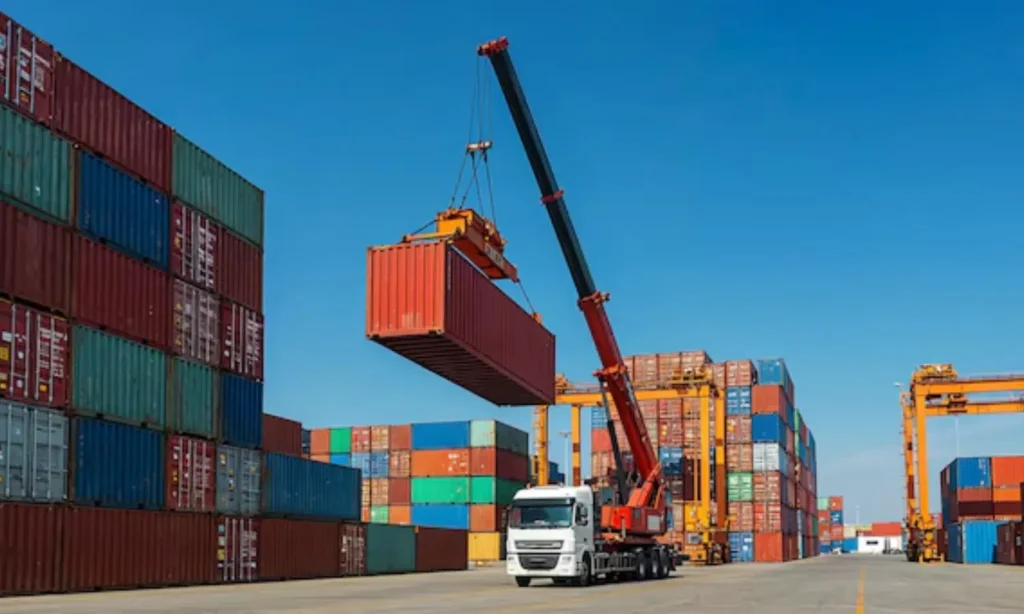
Choosing the right freight forwarder is one of the most important decisions in international shipping. A reliable logistics partner can ensure smooth cargo movement, while the wrong choice can lead to delays, unexpected costs, and operational issues. Whether you are exporting for the first time or managing regular shipments, understanding how to select the right freight forwarder will help you avoid common mistakes and improve your overall supply chain efficiency. What Is a Freight Forwarder? A freight forwarder is a company that manages the transportation of goods from one country to another. They handle logistics coordination, documentation, customs clearance, and shipping arrangements via sea freight or air freight. In simple terms, a freight forwarder acts as your logistics partner to ensure your cargo reaches its destination safely and efficiently. Key Factors to Consider When Choosing a Freight Forwarder 1. Experience and Expertise Choose a freight forwarder with proven experience in international shipping. An experienced company understands shipping routes, customs regulations, and how to handle potential issues. Look for: Years of experience Industry specialization Track record with similar shipments 2. Global Network and Coverage A strong global network is essential for smooth logistics operations.Make sure the freight forwarder has: International partners or agents Coverage in your target destination countries Access to major ports and airports 3. Range of Services A good freight forwarder should offer comprehensive services, including: Sea freight (FCL & LCL) Air freight Customs clearance Door-to-door delivery Inland transportation Working with a full-service provider simplifies your logistics process. 4. Transparency in Pricing Shipping costs can vary depending on many factors. A reliable freight forwarder should provide: Clear and detailed quotations No hidden fees Transparent cost breakdown This helps you plan your budget and avoid unexpected expenses. 5. Communication and Support Good communication is critical in international shipping.Choose a freight forwarder that: Responds quickly Provides regular updates Offers shipment tracking Is easy to contact Strong communication reduces uncertainty and improves coordination. 6. Customs Knowledge and Documentation Support Customs clearance is one of the most complex parts of international shipping.Your freight forwarder should: Understand import/export regulations Assist with documentation Help prevent customs delays Accurate paperwork is essential for smooth delivery. Read Also : How long Does International Shipping Take from Indonesia ? Common Mistakes to Avoid When choosing a freight forwarder, avoid these mistakes: Choosing based on price only Ignoring experience and reputation Not checking service coverage Overlooking customer support quality Failing to confirm included services A cheap option may lead to higher costs in the long run. Why Choosing the Right Freight Forwarder Matters The right freight forwarder can: Reduce shipping delays Optimize transit time Improve cost efficiency Ensure compliance with regulations Enhance customer satisfaction Your logistics partner plays a key role in your business success. Conclusion Choosing Freight Forwarder Choosing the right freight forwarder for international shipping requires careful evaluation of experience, services, pricing, and communication. By working with a reliable logistics partner, businesses can ensure smooth, efficient, and cost-effective shipping operations. Nagoya Logistik provides professional freight forwarding services with reliable global coverage and end-to-end logistics support.

How Long Does International Shipping Take from Indonesia?
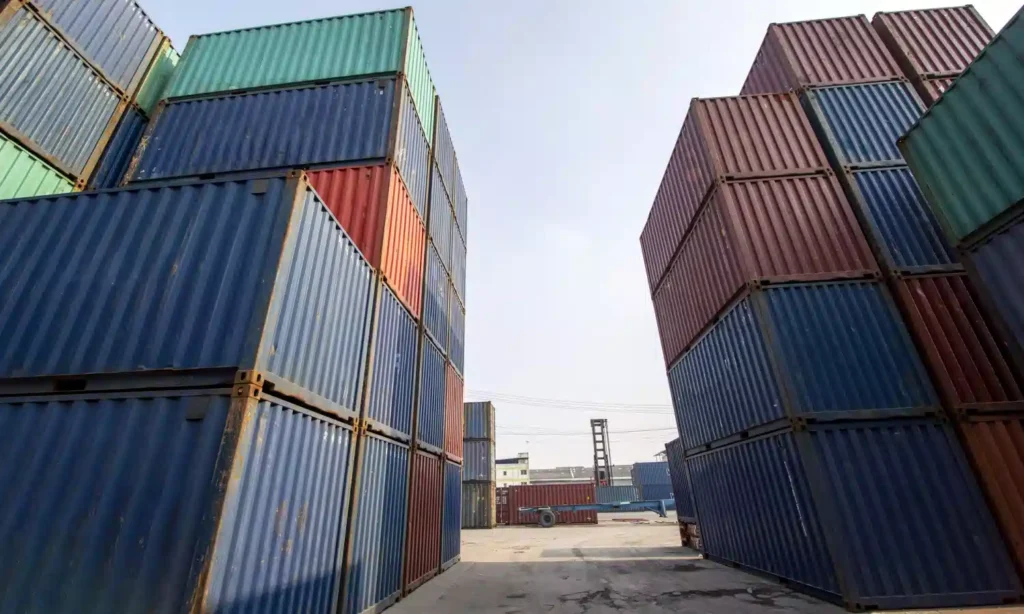
international shipping from indonesia

One of the most common questions in international trade is: how long does international shipping take from Indonesia? The answer depends on several factors, including the destination country, shipping method, customs procedures, and logistics coordination. Whether you are exporting goods for the first time or managing regular shipments, understanding transit time is essential for planning your supply chain effectively. In this guide, we break down estimated shipping times and the key factors that influence delivery speed. Average Shipping Time from Indonesia Shipping time varies depending on the region and method used. Here is a general overview: Sea Freight (Ocean Shipping) Sea freight is the most cost-effective option but takes longer transit time.Estimated delivery times: Asia: 5–15 days Oceania: 12–20 days Middle East: 18–30 days Europe: 25–40 days North America: 25–45 days Africa: 25–40 days Sea freight is ideal for bulk cargo, machinery, and large shipments. Air Freight (Air Shipping) Air freight is significantly faster and suitable for urgent shipments. Estimated delivery times: Asia: 2–5 days Middle East: 3–6 days Europe: 3–7 days North America: 4–7 days Latin America: 4–8 days Africa: 4–8 days Oceania: 2–5 days Air freight is commonly used for high-value, time-sensitive, or smaller shipments. Factors That Affect Shipping Time Several factors can impact how long international shipping takes from Indonesia: 1. Destination Country The farther the destination, the longer the transit time. Routes to nearby Asian countries are much faster compared to shipments to Latin America or Africa. 2. Shipping Method Sea freight is slower but more economical, while air freight offers speed at a higher cost. 3. Port and Airport Congestion Busy ports or airports can delay cargo handling, especially during peak seasons. 4. Customs Clearance Incomplete or incorrect documentation can significantly delay shipments. Proper paperwork ensures faster clearance. 5. Weather and Seasonal Conditions Extreme weather conditions or peak shipping seasons may affect vessel schedules and flight availability. How to Speed Up International Shipping To reduce delays and improve efficiency: Choose the right shipping method based on urgency Prepare complete and accurate documents Work with an experienced freight forwarder Plan shipments ahead of peak seasons Use reliable logistics services with tracking support Why Transit Time Matters in Business Understanding shipping time is crucial for: Inventory planning Customer satisfaction Cost control Supply chain efficiency Delays in shipping can affect delivery commitments and overall business performance. Also Read : How to Avoid Shipment Delay Conclusion International shipping from Indonesia can take anywhere from a few days to several weeks, depending on the destination and shipping method. Sea freight offers cost efficiency, while air freight provides speed and reliability. By understanding transit times and working with a professional logistics partner, businesses can ensure smoother and more predictable shipping operations. Nagoya Logistik is ready to support your international shipping needs with reliable and efficient freight solutions.

Sea Freight vs Air Freight: Which Is Better for Your International Shipment?

Choosing the right international shipping method is a critical decision for any business involved in global trade. The choice between sea freight and air freight directly affects shipping costs, delivery timelines, and overall supply chain efficiency. Each method offers distinct advantages depending on cargo type, urgency, and budget. Understanding these differences helps businesses minimize risk and optimize logistics operations. What Is Sea Freight? Sea freight refers to transporting goods via cargo ships across international waters. It is the most widely used shipping method for global trade due to its cost efficiency and capacity. Shipments are typically moved using containers, either as Full Container Load (FCL) or Less than Container Load (LCL), depending on shipment volume. Sea freight is ideal for heavy, oversized, or high-volume cargo. While transit times are longer compared to air freight, sea shipping provides a stable and economical solution for businesses that plan shipments in advance and prioritize cost control over speed. Common goods shipped by sea include industrial machinery, automotive parts, raw materials, furniture, and consumer products. What Is Air Freight? Air freight involves transporting cargo via commercial or cargo aircraft. The primary advantage of air freight is speed. Shipments can reach international destinations within days rather than weeks, making it the preferred option for time-sensitive deliveries. Due to higher operational costs, air freight is significantly more expensive than sea freight. Pricing is based on chargeable weight, which considers both actual weight and volumetric weight. Cargo size and weight limitations also apply.Air freight is commonly used for high-value goods, perishable items, electronics, pharmaceuticals, and urgent shipments where delivery time is critical. Cost Comparison: Sea Freight vs Air Freight From a cost perspective, sea freight is the more economical option, especially for large and heavy shipments. The cost per unit decreases as shipment volume increases, making it suitable for bulk cargo and long-term logistics planning. Air freight, on the other hand, comes with higher shipping rates due to fuel costs, security handling, and limited cargo space. While expensive, it can be justified when faster delivery reduces inventory holding costs or prevents business disruption. Speed and Transit Time Air freight clearly outperforms sea freight in terms of speed. International air shipments typically take between one to five days, depending on destination and customs clearance. Sea freight transit times can range from several weeks to over a month, depending on shipping routes, port congestion, and weather conditions. Businesses using sea freight must account for longer lead times and potential delays. Reliability and Risk Factors Air freight offers higher schedule reliability due to frequent flights and fewer handling stages. However, delays may still occur due to weather conditions or airport congestion. Sea freight faces more variables, including port congestion, vessel scheduling changes, and customs inspections. For both shipping methods, proper documentation and cargo insurance are essential to mitigate risk and protect shipment value. Environmental Impact Considerations Sea freight is generally more environmentally friendly than air freight when measured by carbon emissions per unit of cargo. For businesses focused on sustainability, sea freight is often the preferred option.Air freight generates a significantly higher carbon footprint. While it supports fast delivery, it may not align with corporate sustainability goals unless absolutely necessary. Read Also : How to shipping to Europe Which Shipping Method Should You Choose? Sea freight is the best choice when shipping large volumes, heavy cargo, or non-urgent goods while maintaining cost efficiency. It is suitable for businesses with flexible delivery schedules and predictable supply chains. Air freight is the better option for urgent shipments, high-value goods, and time-sensitive cargo where speed and reliability outweigh cost considerations. The right choice depends entirely on business priorities, shipment characteristics, and market demands. Conclusion Sea Freight VS Air Freight Which is Better ? Selecting between sea freight and air freight is more than a logistical decision—it is a strategic business choice. Each method offers advantages that can directly impact operational efficiency, customer satisfaction, and profitability. Working with an experienced logistics provider helps businesses evaluate shipping options, manage risks, and ensure smooth international deliveries. Proper planning and professional support remain key factors in successful global logistics operations.

How to Avoid Shipment Delay in Logistics and Cargo

In the fast-paced world of logistics and cargo, shipment delays can significantly impact customer satisfaction and business efficiency. Understanding how to avoid shipment delay is essential for any logistics provider. This article outlines key strategies and best practices to ensure timely deliveries and minimize disruptions. Understanding Shipment Delay What Causes Shipment Delays? Several factors can contribute to shipment delays, including: Impact of Shipment Delays Shipment delays can lead to:   Also Read : Choosing the right logistic it is not difficult, why ? Read this. Strategies to Avoid Shipment Delays 1. Effective Planning and Scheduling How to avoid shipment delay starts with meticulous planning and scheduling: 2. Comprehensive Documentation Incomplete or inaccurate documentation is a common cause of delays: 3. Reliable Partnerships Partnering with reliable service providers is crucial: 4. Efficient Inventory Management Effective inventory management helps prevent delays: 5. Advanced Technology and Tracking Leveraging technology can significantly reduce delays: 6. Responsive Customer Communication Proactive communication with customers can mitigate the impact of delays: 7. Risk Management and Contingency Planning Prepare for potential disruptions with a robust risk management plan:   Also Read : Want to export or import? Prepare your documents.   Case Studies: Successful Strategies in Action Leveraging Technology for Timely Deliveries Company A implemented advanced tracking systems and automated their shipping processes, resulting in a 30% reduction in shipment delays. Building Strong Carrier Partnerships Company B focused on building strong relationships with their carriers, ensuring priority service during peak seasons and reducing delays by 20%. Conclusion How to Avoid Shipment Delay Understanding how to avoid shipment delay is crucial for maintaining customer satisfaction and operational efficiency in logistics and cargo. By implementing effective planning, maintaining accurate documentation, partnering with reliable carriers, managing inventory efficiently, leveraging technology, communicating proactively with customers, and preparing for potential risks, businesses can significantly reduce the risk of shipment delays. These strategies not only enhance customer satisfaction but also contribute to the overall success and growth of the logistics operation.

How Many Documents Do You Need for International Shipping?
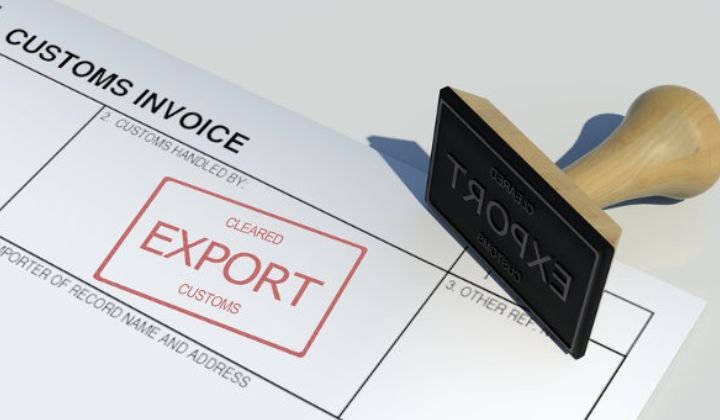
document for international shipping

International shipping is a complex process that requires careful preparation and documentation. Proper documentation is crucial for ensuring that goods move smoothly across borders, meet legal requirements, and are accurately tracked. This article explores the essential documents needed for international shipping and their roles in the process. There are so many types of document for international shipping, here we will show you all of them, for attention each country has a policy so it is possible that for documents in some countries there are additional documents that are only issued by that country. 1. Commercial Invoice The Commercial Invoice is a fundamental document in international trade. It serves as a contract between the buyer and seller and provides essential information about the transaction. This document typically includes details such as: A description of the goods The quantity and price of the goods The terms of sale The names and addresses of the buyer and seller The commercial invoice is used by customs authorities to assess duties and taxes and as a record of the transaction for both parties. 2. Packing List The Packing List provides detailed information about the contents of the shipment. It includes a breakdown of the items, their weights, and their dimensions. This document is crucial for: Customs clearance Inventory management Ensuring the safe and proper handling of goods It helps customs officials verify that the goods match the description in the commercial invoice and assists in the efficient handling of cargo.   Also read : Effectice Shipping With Good Strategies   3. Bill of Lading (B/L) or Air Waybill (AWB) The Bill of Lading (B/L) and Air Waybill (AWB) are transportation documents issued by the carrier. They serve as a receipt for the shipment, evidence of the contract of carriage, and a document of title. The Bill of Lading is used for sea shipments, while the Air Waybill is used for air freight. These documents contain critical information, including: The names of the shipper and consignee The description and quantity of the goods The shipping route and carrier details They are essential for tracking the shipment and are often required for customs clearance.     4. Certificate of Origin The Certificate of Origin certifies the country in which the goods were manufactured. This document is crucial for determining the tariffs and duties applicable to the shipment. It may be required by customs authorities in the importing country and can also be necessary for the application of preferential tariff rates under trade agreements. 5. Export License An Export License may be required for certain goods, depending on the regulations of the exporting country. This license grants permission to export specific items, often those that are restricted or controlled due to their nature, such as military equipment, technology, or sensitive materials. 6. Import License Similarly, an Import License may be required by the importing country. This document allows the importer to bring specific goods into the country. It is often necessary for regulated items such as pharmaceuticals, food products, and electronics. 7. Insurance Certificate The Insurance Certificate provides proof that the shipment is covered by insurance. This document details the terms of the insurance policy, including the type of coverage, the insured amount, and the covered risks. It is essential for protecting the value of the goods in case of damage or loss during transit.   Also read : How to found the Right Logistics Services 8. Customs Declaration The Customs Declaration is a mandatory document for the customs clearance process. It provides detailed information about the goods being imported or exported, including their value, classification, and origin. Customs declarations are used by customs authorities to assess and collect duties and taxes. 9. Dangerous Goods Declaration (if applicable) If the shipment includes hazardous materials, a Dangerous Goods Declaration is required. This document provides specific information about the dangerous goods, including their classification, quantity, and handling instructions. It ensures that the goods are transported safely and in compliance with international regulations.     10. Proforma Invoice The Proforma Invoice is an initial invoice provided by the seller to the buyer before the actual shipment. It serves as a quotation and outlines the terms of the sale, including the price, delivery terms, and payment terms. It is often used for obtaining financing or opening a letter of credit. 11. Import/Export Permits Certain goods may require Import or Export Permits. These permits are issued by government authorities and regulate the trade of specific items, such as endangered species, cultural artifacts, or dual-use goods. Conclusion for Document For International Shipping Proper documentation is critical to the success of international shipments. Each document for international shipping has a unique role in ensuring compliance with legal requirements, facilitating customs clearance, and protecting the interests of the parties involved. By carefully preparing the necessary documents, businesses can avoid delays, minimize risks, and ensure a smooth and efficient shipping process.

Choosing The Right Logistics Service, Read it Before Deciding

nagoya trans logistik

Choosing the right logistics service is crucial to ensure your goods arrive safely, on time, and cost-efficiently. We have 9 points for your consideration: 1. Reputation and Reliability: Research the logistics company’s reputation through customer reviews, testimonials, and online ratings. Make sure the company has a good track record in delivering goods. 2. Services Offered: Check the various services offered such as land, sea, air, and additional services such as custom clearance. Make sure the services offered suit your shipping needs. 3. Area Coverage: Make sure the logistics company has a wide network and covers the area you are shipping to, both domestically and internationally. 4. Cost and Price Transparency: Compare prices from several logistics service providers and make sure there are no hidden costs. Make sure the price offered is in line with the services provided. 5. Security and Insurance: Check the security policy of the logistics company. Make sure they provide insurance to protect your goods during shipment.   6. Delivery Time: Check the speed and accuracy of the promised delivery time. Make sure they have a tracking system that allows you to monitor the delivery status. 7. Customer Service: Make sure the logistics company has responsive customer service and can be contacted easily to handle any questions or issues that may arise. 8. Facilities and Technology: Check if the logistics company uses the latest technology for inventory management, shipment tracking, and operational efficiency. Make sure they have adequate facilities for goods handling and storage. 9. Regulatory Compliance: Ensure that the logistics company complies with all applicable regulations and standards in the logistics and shipping industry. Conclusion to The Article on Choosing the Right Logistics Services. Choosing the right logistics service requires careful research and consideration. By paying attention to the factors above, you can ensure that the delivery of your goods runs smoothly and efficiently. Nagoya Trans logistic provide Air Freigh, Sea Freight, Customs Clearance and Inland Transport, You can call or text us for discussion in here.

Choose Between FCL and LCL Shipping For Best Shipping
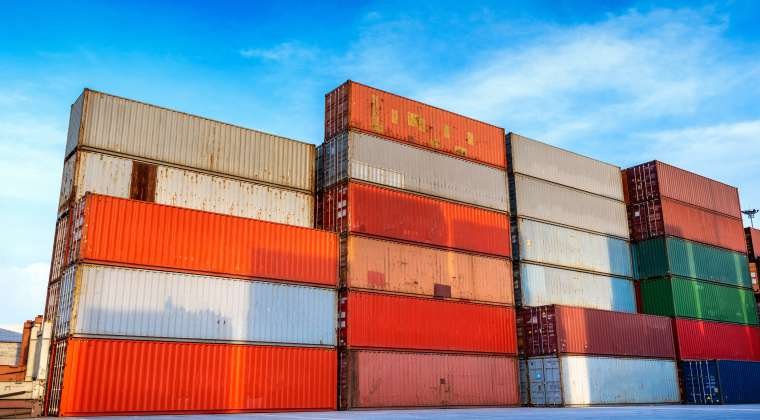
choose between fcl and lcl

Choose Between FCL and LCL Shipping – When it comes to International Shipping, businesses often face the decision of whether to use Full Container Load (FCL) or Less than Container Load (LCL) shipping. Each option has its advantages and disadvantages, depending on factors such as shipment size, budget, and urgency. This article explores both methods, helping you choose the best option for your shipping needs. Understanding FCL and LCL Before Deciding to Choose Between Them What is FCL? Full Container Load (FCL) refers to a shipping method where an entire container is used by a single shipper. The container is filled with goods from one company and is shipped directly to the consignee without being consolidated with other shipments. Advantages of FCL: Security: Since the container is dedicated to one shipment, there’s less risk of damage or loss from handling. Speed: FCL shipments typically have fewer delays, as there’s no need for consolidation and deconsolidation. Cost Efficiency for Large Shipments: For large volumes, FCL can be more cost-effective, as the rate per unit of cargo is usually lower. Disadvantages of FCL: Higher Costs for Smaller Shipments: If your cargo doesn’t fill an entire container, FCL may be more expensive. Storage Requirements: You may need sufficient storage space to accommodate the entire shipment upon arrival. What is LCL? Less than Container Load (LCL) is a shipping method where multiple shippers share space in a single container. Each shipper pays for the space their cargo occupies, making it ideal for smaller shipments that don’t require a full container. Advantages of LCL: Cost-Effective for Smaller Shipments: You only pay for the space you use, making it a budget-friendly option for smaller shipments. Flexibility: LCL allows businesses to ship smaller quantities without waiting to fill a full container. Disadvantages of LCL: Longer Transit Times: LCL shipments often take longer due to the need for consolidation and deconsolidation. Higher Risk of Damage: Since goods from multiple shippers are combined, there’s a higher risk of damage from handling. Factors to Consider When Choosing Between FCL and LCL Shipment Size and Volume The size and volume of your shipment are crucial in deciding between FCL and LCL. FCL is typically more cost-effective for large shipments, while LCL is better suited for smaller loads. If your shipment can nearly or completely fill a container, FCL is usually the better choice. Budget Considerations Budget is another important factor. FCL generally offers a lower cost per unit of cargo for large shipments but can be expensive if you’re not utilizing the full container space. On the other hand, LCL allows you to share container space and costs with other shippers, making it more economical for smaller shipments. Urgency and Delivery Time FCL is generally faster because the container moves directly from the shipper to the consignee without additional handling. If your shipment is time-sensitive, FCL might be the better option. LCL, while cost-effective, can take longer due to additional processing at the port. Security and Risk FCL offers greater security because the container is sealed and handled as one unit. There is less risk of damage or loss compared to LCL, where multiple shipments are combined. If your cargo is fragile or valuable, FCL can provide greater peace of mind. Some of the risks that often occur include, Bad weather which is sometimes unpredictable, and sea monsters that are often featured in some movies (actually never seen) Conclusion: Making the Right Choice Choosing between FCL and LCL depends on your specific needs and circumstances. For large, time-sensitive, and valuable shipments, FCL is often the preferred choice. However, if you have a smaller, less urgent shipment and want to save on costs, LCL can be a viable option. Ultimately, understanding the pros and cons of each shipping method and considering factors like shipment size, budget, urgency, and risk will help you make the best decision for your business. Whether you choose FCL or LCL, both options offer unique advantages to cater to various shipping requirements.

B2B Logistics Services Guide for Export and Import

b2b logistics service

B2B Logistics Service – In today’s globalized economy. Businesses rely heavily on efficient and reliable logistics services to facilitate their international trade operations. For companies engaged in import and export activities. B2B logistics services play a crucial role in ensuring the smooth movement of goods across borders. In this article, we will explore the key aspects of B2B logistics services and how they contribute to the success of export and import businesses. Understanding B2B Logistics Services B2B logistics services encompass a range of activities involved in the transportation, storage, and management of goods between businesses. These services are specifically tailored to meet the unique requirements of business-to-business transactions. Where large volumes of goods are moved between suppliers, manufacturers, distributors, and retailers. Key components of B2B logistics services include: The Benefits for Export and Import Partnering with a reliable B2B logistics service provider offers several benefits for businesses engaged in export and import activities: Also Read : For low cost logistic using LCL, whats is that ? click here for complete information Choosing the Right B2B Logistics Service Provider When selecting a B2B logistics service provider for your export and import needs, consider the following factors: By partnering with the right B2B logistics service provider, businesses can optimize their export and import operations, enhance their competitiveness, and achieve sustainable growth in the global marketplace.

Importance of Logistics in B2B Export and Import Services

importance of logistics

In today’s global economy, businesses rely heavily on efficient logistics to facilitate their export and import operations. Logistics plays a vital role in ensuring that goods are transported smoothly and on time. Logistics enables businesses to meet their customers’ demands and maintain a competitive edge in the market by promoting large-scale distribution to maintain stock in the market. With this in mind, we will share some things about the importance of logistics in B2B (Business to Business) export and import services   Streamlining the Supply Chain Logistics is the backbone of any export and import service. As it involves managing the supply chain from start to finish. It includes activities such as transportation, warehousing, inventory management, and order fulfillment. The importance of streamlining this process, as it can help logistics companies optimize their supply chain and reduce costs.   Efficient Transportation One of the important aspects of logistics is transportation. Whether by land, sea, or air, choosing the most efficient mode of transportation is crucial for on-time delivery. Logistics companies have the expertise to choose the best routes and carriers. Considering factors such as cost, speed, and reliability. By leveraging their network and industry knowledge, they can ensure that goods are transported in the most efficient and cost-effective manner.   Warehousing and Inventory Management For Imprtance of Logistics Another important component of logistics is warehousing and inventory management. Logistics companies provide storage facilities for businesses to store goods before they are shipped. These warehouses are equipped with sophisticated inventory management systems that allow businesses to track their inventory in real-time. This ensures that businesses have accurate information about their stock levels, allowing them to fulfill orders promptly and avoid stockouts.     Customs Compliance Export and import services involve dealing with a variety of customs regulations and documentation requirements. Logistics companies have the expertise to navigate these complexities and ensure that all necessary customs procedures are followed. They handle tasks such as customs clearance, documentation preparation, and compliance with import and export regulations. By partnering with a logistics company, businesses can avoid costly delays and fines associated with customs issues.   Supply Chain Visibility Logistics companies provide businesses with visibility into their supply chain. Allowing them to track the movement of their goods at every stage. This real-time visibility allows businesses to monitor the progress of their shipments, identify potential issues, and take proactive action to address them. By having a clear view of their supply chain, Businesses can make informed decisions, improve customer service, and increase overall operational efficiency.   Customer Satisfaction Is a Importance of Logistics Efficient logistics is essential to meeting customer expectations and ensuring satisfaction. By delivering goods on time and in good condition, logistics companies contribute to a positive customer experience. They play a vital role in managing customer expectations, providing accurate shipping estimates, and resolving any issues that may arise during the transportation process. Satisfied customers are more likely to become repeat customers and recommend the business to others, driving growth and success.   Conclusion The Importance of Logistics for Import and Export Services In the world of B2B import and export services, logistics is a critical function that can make or break a business. From streamlining the supply chain to ensuring efficient transportation, warehousing, and customs compliance, logistics companies play a vital role in facilitating smooth international trade. By partnering with a reliable logistics provider, businesses can focus on their core competencies while leaving the complexities of logistics to the experts.

Streamlining International Trade with B2B Logistics Services

In today’s globalized economy, businesses rely heavily on efficient logistics services to facilitate their import and export operations. For companies engaged in international trade, the smooth flow of goods and materials across borders is crucial for maintaining a competitive edge. This is where B2B logistics services play a vital role. What are B2B Logistics Services? B2B logistics services refer to the specialized solutions offered by logistics companies to facilitate the movement of goods and materials between businesses. These services encompass a wide range of activities, including transportation, warehousing, inventory management, customs clearance, and documentation. The Importance of B2B Logistics in International Trade Efficient logistics services are essential for businesses engaged in import and export activities. Here are some key reasons why B2B logistics plays a crucial role in international trade: 1. Smooth Supply Chain Management B2B logistics services help businesses manage their supply chain effectively. From sourcing raw materials to delivering finished products to customers, logistics providers ensure that every step of the supply chain is streamlined and optimized. 2. Timely Delivery Timely delivery is critical in international trade. B2B logistics services ensure that goods reach their destination on time, minimizing delays and avoiding costly disruptions. This is particularly important for businesses that operate on just-in-time inventory management systems. 3. Cost Optimization Logistics costs can significantly impact a company’s bottom line. B2B logistics services help businesses optimize their transportation, warehousing, and inventory management processes, reducing costs and improving overall profitability. 4. Compliance with Regulations International trade involves navigating complex customs regulations and documentation requirements. B2B logistics providers have the expertise to ensure compliance with these regulations, minimizing the risk of delays, fines, or other legal issues. Choosing the Right B2B Logistics Provider When selecting a B2B logistics provider for your import and export needs, consider the following factors: 1. Experience and Expertise Look for a logistics company with extensive experience in handling international trade operations. They should have a deep understanding of the specific challenges and requirements associated with your industry. 2. Global Network Ensure that the logistics provider has a robust global network of partners and agents. This will enable them to provide seamless services across different countries and regions. 3. Technology and Tracking Capabilities Choose a logistics provider that utilizes advanced technology and offers real-time tracking capabilities. This will give you visibility into your shipments and allow you to monitor their progress at every stage. 4. Customer Service Good customer service is essential when dealing with complex international logistics. Look for a provider that offers responsive communication, proactive problem-solving, and a dedicated point of contact for your business. Conclusion B2B logistics services are a crucial component of international trade. By partnering with the right logistics provider, businesses can streamline their import and export operations, ensure timely delivery of goods, optimize costs, and remain compliant with regulations. When selecting a B2B logistics provider, it is important to consider factors such as experience, global network, technology capabilities, and customer service. With the right logistics partner, businesses can navigate the complexities of international trade with ease.