What Is a Bill of Lading?
A Bill of Lading (B/L or BoL) is an important shipping document used in international trade, particularly for sea freight. It is issued by a carrier or its authorized agent after receiving cargo for shipment. The document records key information about the goods, the parties involved, and the transportation arrangement.
For importers and exporters, understanding how a Bill of Lading works can help prevent documentation errors, delivery complications, and unnecessary delays during international shipping.
A Bill of Lading generally serves three important purposes: it acts as a receipt for the cargo, provides evidence of the contract of carriage, and, in certain forms, serves as a document of title to the goods. The exact legal effect depends on the type of document and the applicable rules.
Whether a business ships raw materials, machinery, automotive components, or finished products, accurate shipping documentation is an essential part of managing international cargo.
What Are the Main Functions of a Bill of Lading?
A Bill of Lading does more than identify a shipment. It helps establish a clear record of the cargo and its transportation.
What Are the Main Functions of a Bill of Lading?
The Bill of Lading confirms that the carrier has received the cargo for shipment. It typically records the cargo description, number of packages, marks, and other relevant details.
Importers and exporters should ensure that the information accurately reflects the goods handed over for transportation. Any discrepancies should be addressed before the document is finalized.

Evidence of the Contract of Carriage
A Bill of Lading provides evidence of the terms under which the carrier transports the cargo. These terms may cover responsibilities, delivery arrangements, and applicable conditions of carriage.
Businesses should review the document carefully and understand the carrier’s applicable terms, especially when coordinating international shipments involving multiple parties.
Document of Title in Certain Cases
Some types of Bills of Lading can function as documents of title, allowing control over the goods to be transferred through the appropriate endorsement and delivery procedures.
However, not every shipping document has this function. A sea waybill, for example, generally does not operate as a negotiable document of title. Importers and exporters should confirm which document is required for their transaction and payment arrangement.

What Are the Main Functions of a Bill of Lading?
The information on a Bill of Lading helps identify the shipment and coordinate transportation from origin to destination. Although the exact format varies by carrier and shipment, the document commonly includes:
- Shipper: The party sending the goods.
- Consignee: The party designated to receive the shipment or otherwise identified according to the document's terms.
- Notify Party: The party to be notified about the shipment's arrival or status.
- Vessel and Voyage: The vessel and voyage details, where applicable.
- Port of Loading: The port where the cargo is loaded.
- Port of Discharge: The port where the cargo is unloaded.
- Cargo Description: Details identifying the goods being transported.
- Number of Packages: The number of cartons, pallets, crates, or other packages.
- Gross Weight and Measurement: Shipment weight and volume information, as applicable.
- Freight terms: Details indicating whether freight is marked as prepaid or collect.
- B/L Number and Issue Details: Information used to identify and track the document.
Incorrect names, cargo descriptions, package counts, or port details may create problems when documents are checked by carriers, customs authorities, banks, or other parties. This is why reviewing the draft Bill of Lading is an important step before final issuance.
What Are the Main Functions of a Bill of Lading?
The appropriate document depends on the shipping arrangement, delivery requirements, and commercial agreement between the parties.
Straight Bill of Lading
A straight Bill of Lading identifies a specific consignee. It is generally used when the goods are intended for delivery to that named party, subject to the carrier’s terms and applicable requirements.
Businesses should confirm the document’s delivery conditions before arranging shipment.


Order Bill of Lading
An order Bill of Lading may allow the rights associated with the document to be transferred through endorsement and the required delivery procedures. It can be relevant in transactions where control over the goods is connected to payment or trade finance arrangements.
The parties should confirm the required wording and handling process with the carrier and, where relevant, their bank.
Sea Waybill
A sea waybill records the carriage of goods by sea but generally is not a negotiable document of title. Cargo release is typically handled through the carrier’s procedures and verification of the entitled recipient, rather than presentation of an original negotiable Bill of Lading.
A sea waybill may be suitable for certain shipments where transfer of title through the document is not required.

Original Bill of Lading and Surrendered B/L
An original Bill of Lading may need to be presented according to the carrier’s release procedures. In some arrangements, the shipper can surrender the original document to the carrier at origin, allowing the carrier to authorize release at destination under its applicable process.
Terms such as surrendered B/L and telex release are commonly used in shipping operations, but the exact procedure varies. Businesses should confirm the carrier’s requirements before relying on a particular release method.
What Are the Main Functions of a Bill of Lading?
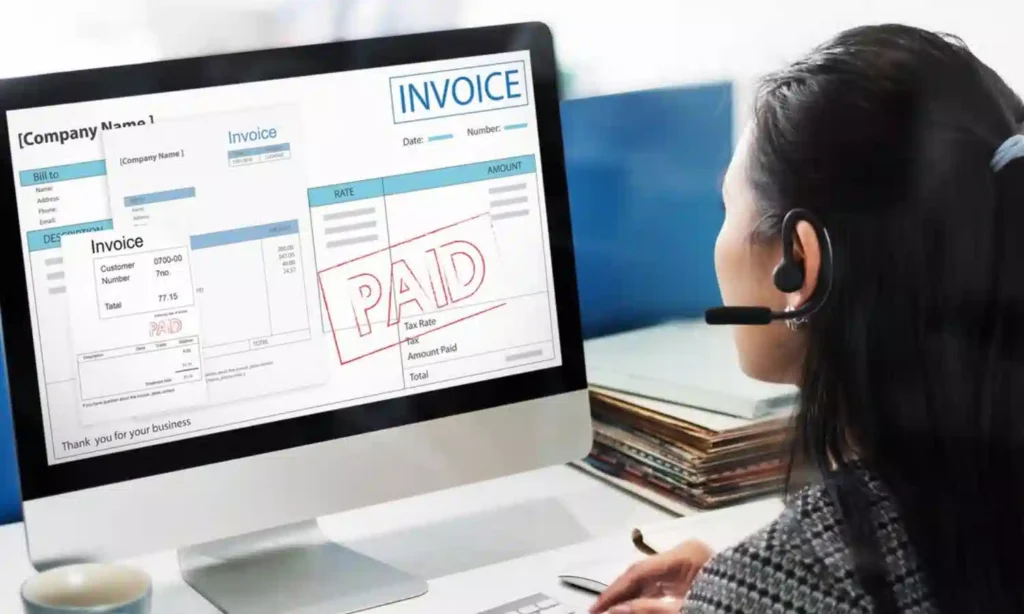
A Bill of Lading and a commercial invoice serve different purposes in international trade.
A Bill of Lading primarily documents the carriage of goods and records shipment details. Depending on its type, it may also serve as a document of title.
A commercial invoice records the commercial transaction between the seller and buyer. It commonly includes the goods’ description, quantities, unit prices, total value, seller and buyer information, and agreed payment details.
Both documents may be required as part of the shipping and customs documentation process. Their information should be consistent wherever the same shipment details appear.
Other documents may also be necessary, depending on the goods, destination, and applicable regulations. These can include a packing list, certificate of origin, permits, or other supporting documents.
What Are the Main Functions of a Bill of Lading?
The Bill of Lading is one part of a wider shipping workflow. Although procedures vary by carrier, route, and cargo type, a typical sea freight shipment follows these steps:
- Prepare the cargo and documents. The exporter prepares the goods and provides shipment details and supporting documents.
- Arrange the shipment.The shipper or its logistics provider coordinates the booking and transportation requirements with the carrier.
- Submit shipping instructions. Relevant shipment information is provided so the carrier can prepare the Bill of Lading.
- Review the draft document. The parties check the shipper, consignee, cargo description, ports, weight, and other details.
- Issue the Bill of Lading. The carrier issues the applicable document after the required conditions are met.
- Coordinate arrival and cargo release. The importer follows the carrier's document requirements and completes the relevant customs and delivery procedures.
What Are the Main Functions of a Bill of Lading?
A Bill of Lading is a key document in international sea freight because it records cargo receipt, provides evidence of the contract of carriage, and may serve as a document of title depending on its form.
Understanding the differences between a straight Bill of Lading, an order Bill of Lading, a sea waybill, and other release arrangements helps importers and exporters select the appropriate documentation for their transactions.
Most importantly, businesses should verify shipment details before the document is issued and coordinate with their carrier or logistics provider whenever requirements are unclear. Accurate documentation supports smoother cargo handling, clearer communication, and better shipment coordination.
For businesses arranging international cargo movements, working with an experienced logistics partner can also help coordinate shipping documents, transportation arrangements, and the steps involved in moving goods from origin to destination.