
What Is LCL Shipping?
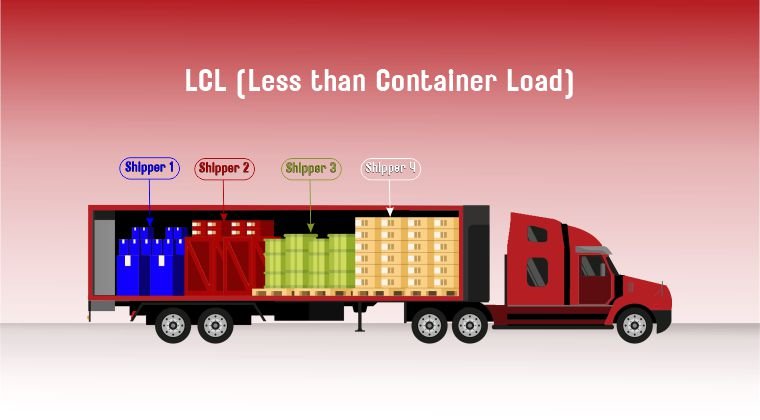
Less than Container Load (LCL) is a sea freight arrangement that allows businesses to ship cargo without booking an entire container exclusively for their shipment. Instead, cargo from multiple shippers is consolidated into one container and transported together.
LCL is commonly considered by importers and exporters whose shipments are too small to justify booking a full container. It can provide access to international sea freight without requiring a business to fill a 20-foot or 40-foot container.
However, LCL involves consolidation and deconsolidation processes, and the total cost depends on more than the ocean freight rate alone. Understanding the process, pricing, and limitations can help businesses decide whether LCL is suitable for their shipment.
How Does LCL Shipping Work?
LCL shipments generally involve several stages.
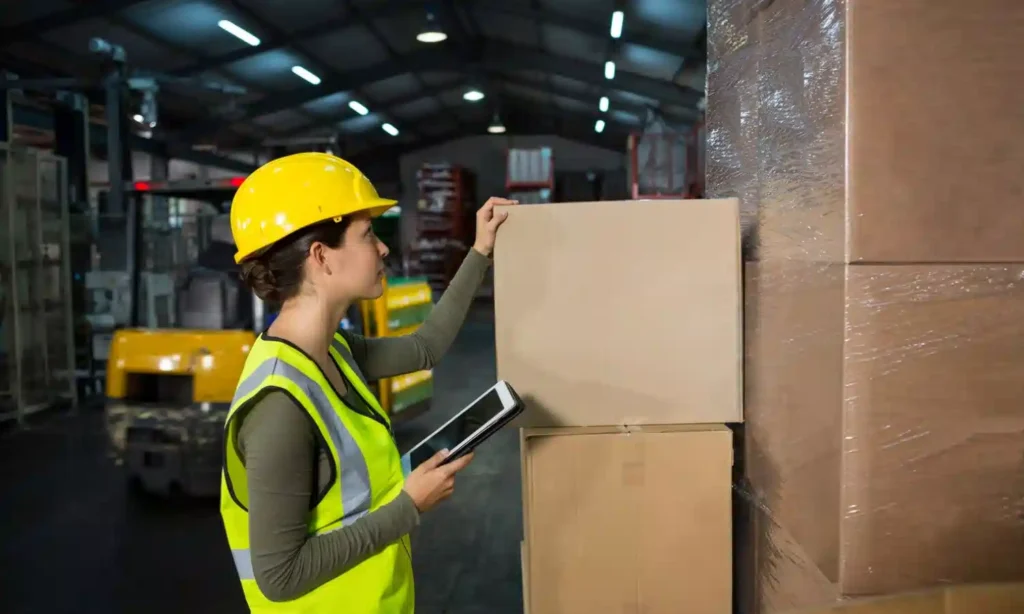
1. Cargo Preparation
The shipper prepares the goods for transportation, including suitable packaging, cargo labels, and the required commercial documents.
Accurate dimensions and weight are important because they help the logistics provider estimate space requirements and calculate applicable charges.
2. Cargo Collection or Delivery to a Consolidation Facility
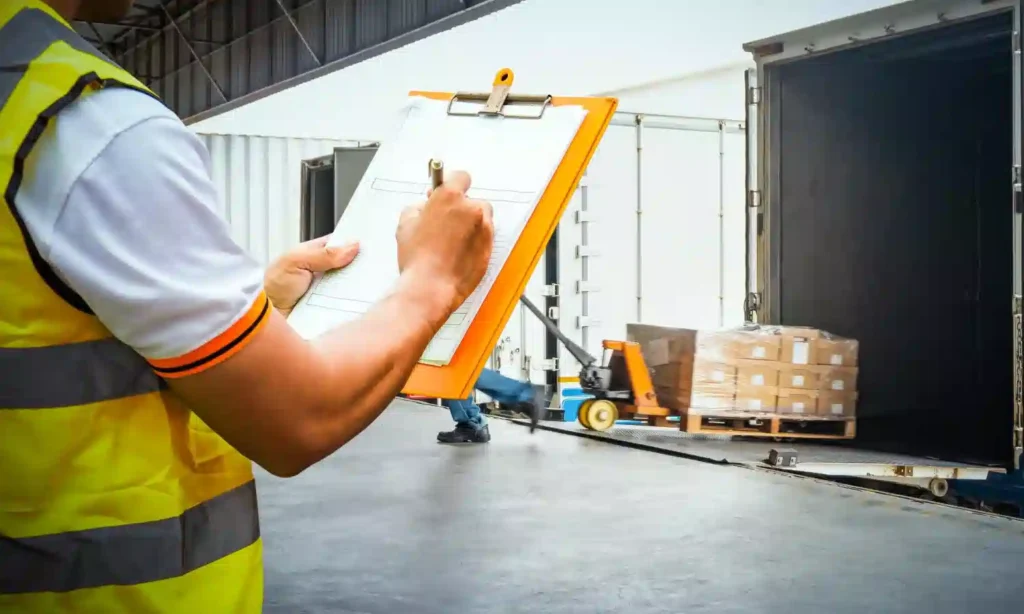
Depending on the service arrangement, the cargo is collected from the shipper or delivered to a designated warehouse or consolidation facility.
The cargo may be checked and measured before it is prepared for loading with other shipments.
3. Consolidation
The shipment is grouped with cargo from other shippers. The combined cargo is loaded into a container according to operational requirements, compatibility, and available space.
The consolidation schedule can affect when the container is ready to depart.

4. Export Processing and Sea Transportation
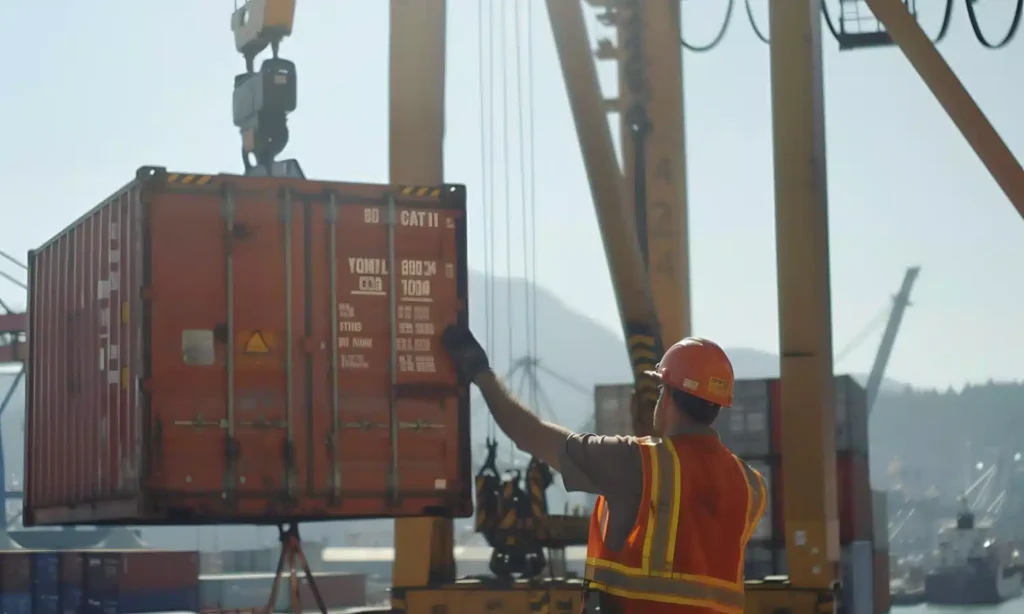
The required export documentation and customs procedures are completed.
The consolidated container is then transported to the port and shipped to the destination according to the booked service.
5. Deconsolidation at Destination
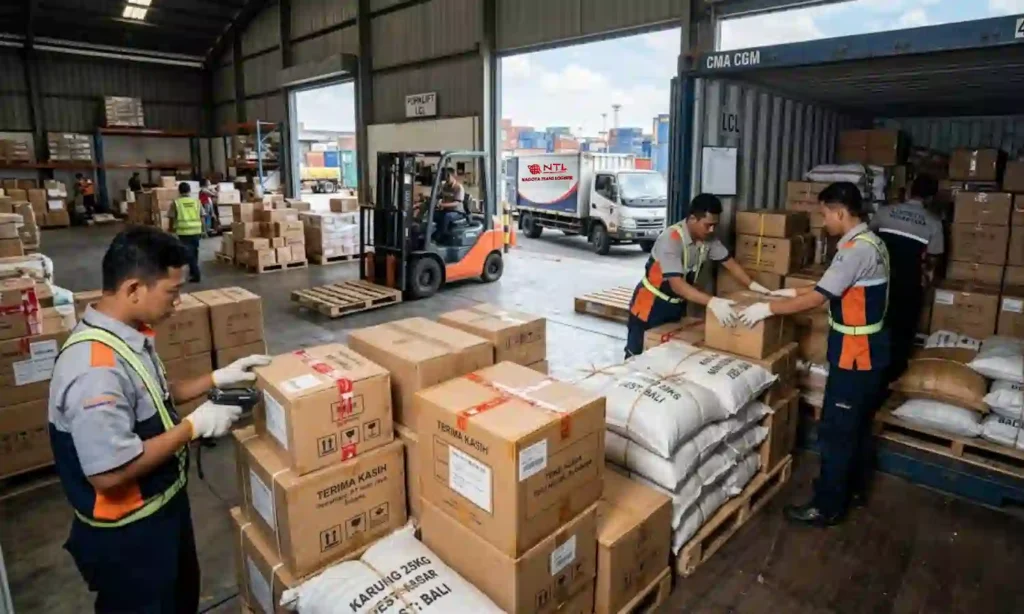
After arrival and the applicable procedures, the container is taken to a facility where the individual shipments are separated.
Each shipment is identified and prepared for the next stage of handling.

6. Customs Clearance and Delivery
The importer completes the applicable customs requirements. Once the necessary release procedures are completed, the cargo can be collected or delivered according to the agreed service.
The order and coordination of these activities can vary depending on the route, provider, and local procedures.
What Are the Benefits of LCL Shipping?
LCL can be useful for businesses with smaller cargo volumes or shipments that do not require an entire container.
- Access to sea freight for smaller shipments: Businesses can ship goods internationally without booking a full container.
- Shared container space: Multiple shippers share the container's capacity, which can be practical when each shipment is relatively small.
- Flexible shipment planning: Businesses can send smaller consignments as needed instead of waiting until they have enough goods to fill a container, although consolidation schedules still affect departure timing.
- Useful for testing new markets: LCL may suit businesses sending initial orders, samples, or smaller commercial shipments, provided the goods and applicable regulations permit the arrangement.
- Potentially lower total cost for small cargo volumes: When compared with booking a full container, LCL may be more economical for a smaller shipment. The actual result depends on freight rates, minimum charges, handling fees, and destination costs.
What Affects LCL Shipping Costs?
LCL pricing commonly considers shipment volume and may also account for weight and minimum billing rules. The exact calculation method depends on the provider and route.
Several factors can affect the total cost:
- Cargo dimensions and gross weight
- Chargeable volume or weight (Provider's Rules)
- Minimum freight charges
- Origin handling and consolidation fees
- Export documentation and terminal charges
- Destination deconsolidation and handling
- Customs clearance and related charges
- Inland transportation and final delivery
- Special handling requirements
A shipment that appears inexpensive based on the basic freight rate may incur additional handling charges at origin or destination. Businesses should ask for a quotation that clearly identifies the included services and exclusions.

LCL vs. FCL: Which Should You Choose?
The best option depends on shipment volume, cargo characteristics, delivery requirements, and the full cost comparison.
Choose LCL When
- The shipment is relatively small.
- Booking a full container would leave substantial unused capacity.
- The cargo can be handled through a shared-container service.
- The schedule accommodates consolidation and deconsolidation.
Consider FCL When
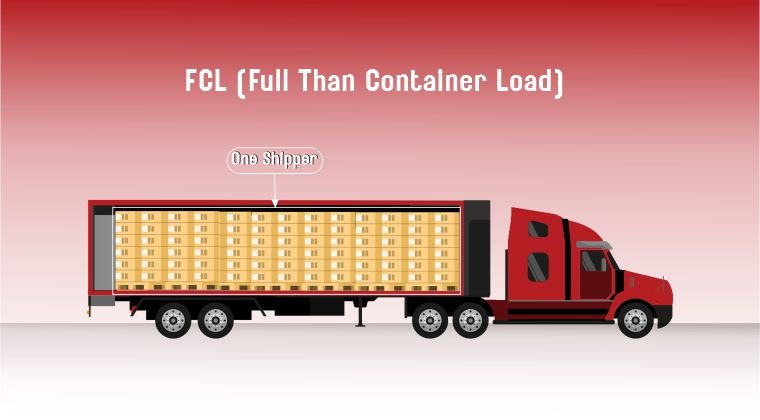
- The cargo occupies a substantial portion of a container.
- Dedicated container space is important.
- The loading arrangement requires greater control over the container.
- The complete FCL quotation compares favorably with LCL for the shipment.
There is no single volume threshold that makes one option best for every route. Businesses should compare quotations using the same origin, destination, cargo details, and delivery scope.
Is LCL Shipping Slower Than FCL?
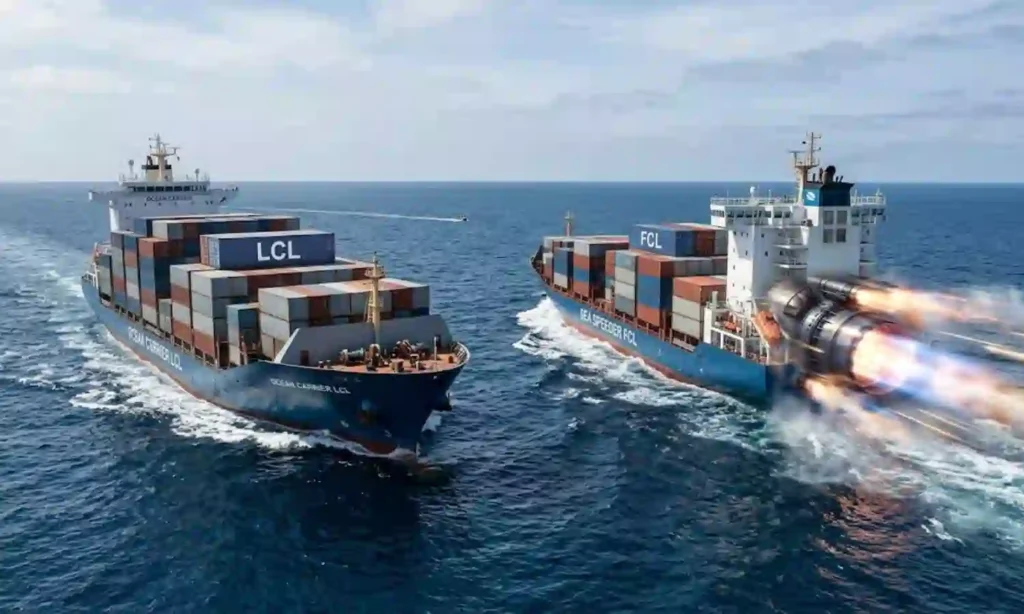
LCL can involve additional handling because cargo must be consolidated before departure and separated after arrival. These steps may affect the overall transit schedule.
However, actual delivery time also depends on vessel schedules, route availability, customs procedures, port operations, warehouse handling, and inland delivery.
Businesses with strict delivery deadlines should request an estimated timeline that covers the complete logistics process, not only the time spent on the vessel.
What Goods Can Be Shipped Through LCL?
Many types of general commercial cargo may be suitable for LCL, depending on the carrier’s policies and applicable regulations.
Before booking, businesses should disclose the nature of the goods and confirm whether special handling, packaging, permits, or restrictions apply. Dangerous goods, temperature-sensitive cargo, oversized items, and certain regulated products may require specialized arrangements or may not be accepted by every service.
Proper packaging is especially important because consolidated cargo shares container space with other shipments.
What Goods Can Be Shipped Through LCL?
To help the logistics provider prepare an accurate quotation and booking, provide:
- Cargo description and commodity details.
- Number and type of packages.
- Dimensions of each package.
- Total gross weight.
- Origin and destination.
- Required shipping date.
- Any special handling or regulatory requirements.
- Whether customs clearance and final delivery are required.
Ensure that cargo measurements are accurate and that all documents reflect the actual shipment.
Final Thought
LCL shipping gives businesses a way to transport smaller consignments by sea without booking an entire container. It can be a practical option for smaller orders, but consolidation, handling, minimum charges, and destination fees must be included when evaluating the total cost.
Comparing LCL and FCL using accurate cargo details and complete quotations helps businesses choose the right arrangement for their international shipping needs.
Nagoya Trans Logistik can help coordinate sea freight options and related logistics services based on cargo volume, origin, destination, and delivery requirements.